They looked like humans, yet they were different. Both male and female individuals were there. Their appearance was striking! They were so beautiful, so elegant, that I could not take my eyes off of them…
– Summum Bonum Amen Ra, describing his first encounter with his alien abductors
What is summum?
“Summum” is best described as a philosophical religion created by Claude Nowell in Salt Lake City, Utah. Nowell, who renamed himself “Summum Bonum Amen Ra,” (with “Corky Ra” being a nickname) started Summum after being abducted by aliens and shown the secrets of the cosmos. Before returning him to Earth, Ra’s alien abductors expressed their wish for him to spread their teachings to help humanity reach its full potential.
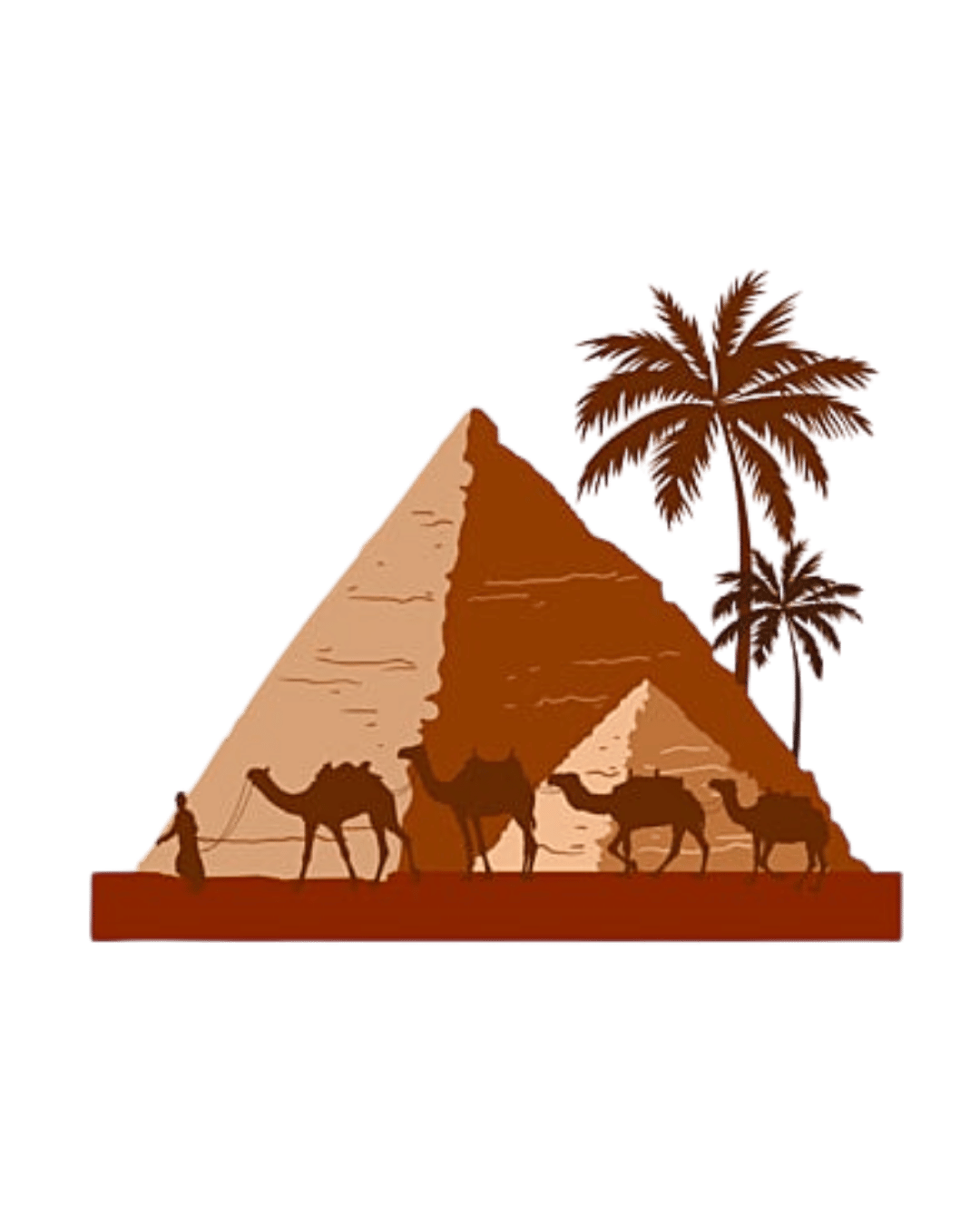
Summum stands out amongst other religions that incorporate a belief in alien life, mostly due to its incorporation of Ancient Egyptian philosophy and religion. However, Summum’s belief system is not limited to Ancient Egypt, as the religion frequently draws from old and new belief systems found in Asia, Europe, and the Americas. This sets Summum apart from the more prominent religions you would find in the West, but also raises an important question: Is Summum a true continuation of Ancient Egyptian religion, or is it a New Age religion influenced by Western Egyptomania?
Read below to find out!
The History of Debating Alien Life
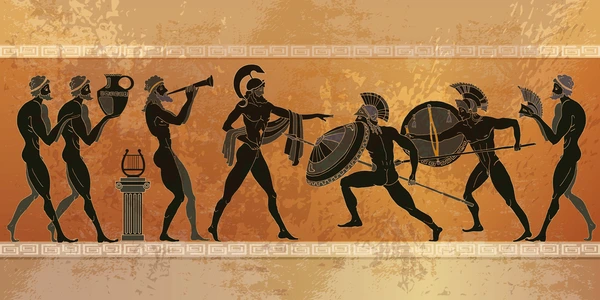
Humans have debated the existence of alien life since before the common era. Nevertheless, this debate has been shaped by factors such as religion, science, and culture. Read the timeline below to explore how this debate has changed over two thousand years!
Antiquity
(800 BCE – 600 CE)
Around 500 BCE, Greek scholars Leucippus and Democritus propose the idea that life could exist beyond Earth. They proposed that Earth had been created by a series of random collisions, and that life had emerged from this. Therefore, they theorized this process could repeat itself in other parts of the cosmos. However, this theory was never as popular as Aristotle’s theory that life existed in a closed cosmic system.

Bust of Democritus, Unknown Creator, 16th Century
Democritus was the student of Leucippus, with both scholars belonging to the Atomist school of thought.
The Middle Ages
(500 CE – 1500 CE)
Popular interpretations of Christian texts lead the Catholic Church to dictate that life cannot exist beyond Earth, and that we reside in a geocentric solar system. Therefore, the possibility of alien life was rarely considered in Catholic states.
However, the Muslim World saw some exploration of the possibility of alien life, especially in literature.
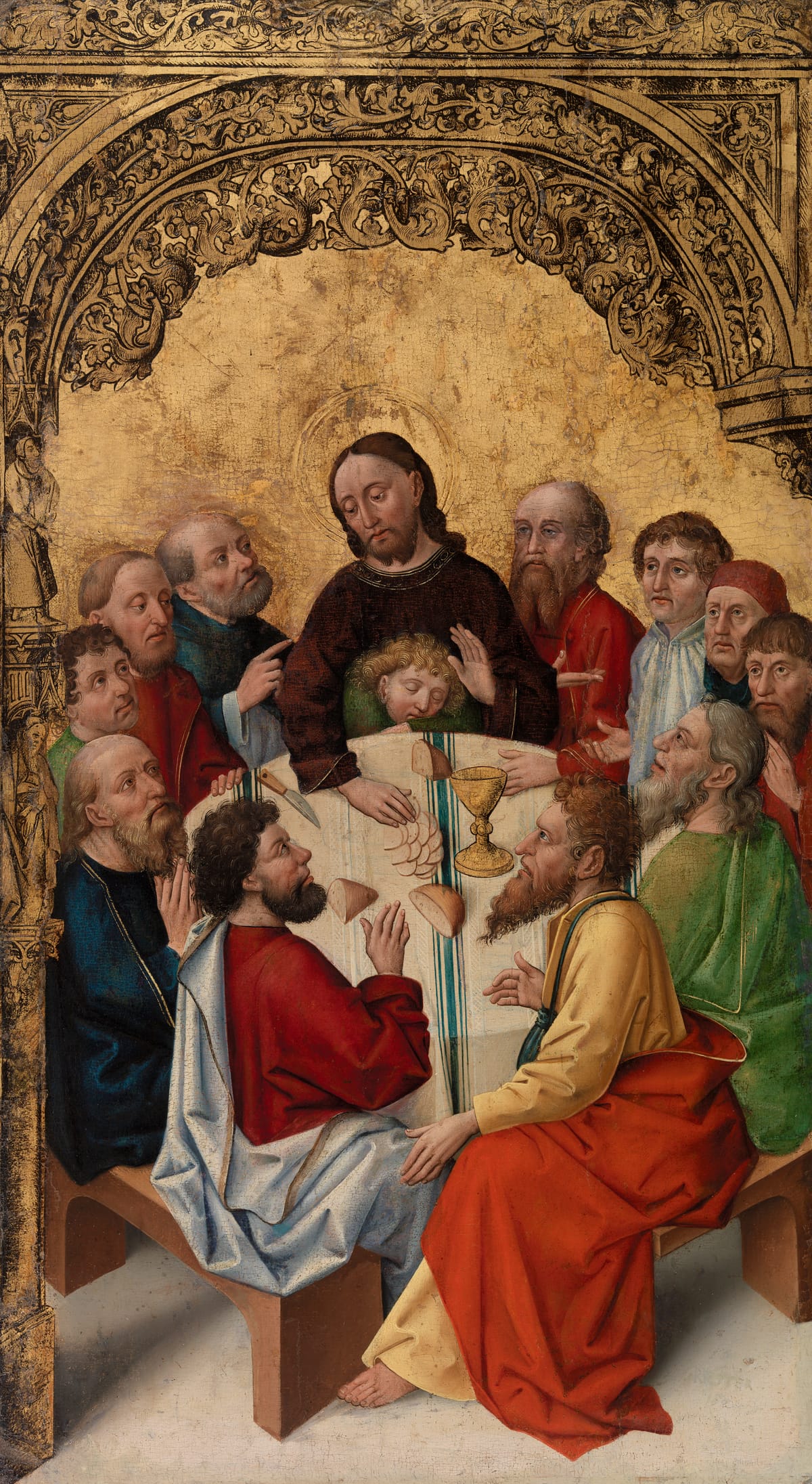
Painting of the Last Supper, Unknown Creator, 15th Century
The Enlightment
(1685 CE – 1815 CE)
As the Church’s doctrine was questioned more in scholarly circles, more Westerners began to explore fields like physics, mathematics, and astronomy. The question of whether alien life exists began to emerge in the US and Europe, with public interest in the debate steadily increasing. The Muslim World also made significant contributions in the abovementioned scientific fields, paving the way for future astronomers.
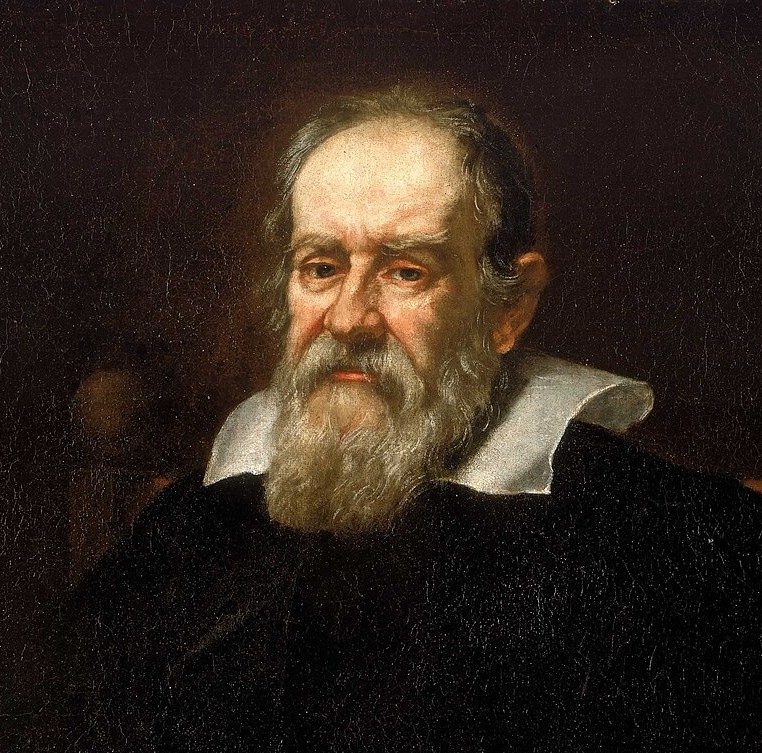
Galileo Galilei portrayed by Justus Sustermans, 17th Century
Galileo was one of the first scholars to challenge Church doctrine when he proposed a heliocentric solar system. He was later ruled a heretic and kept on house arrest for the rest of his life.
The 19th Century and Beyond
The 1800s saw an increased public interest in the potential existence of aliens, especially on Mars. However, the theory was disproven in 1907, leading decreased public interest.
While the widespread belief in aliens has never risen to the levels it was at in the 19th century, many people still believe in extraterrestrial life.
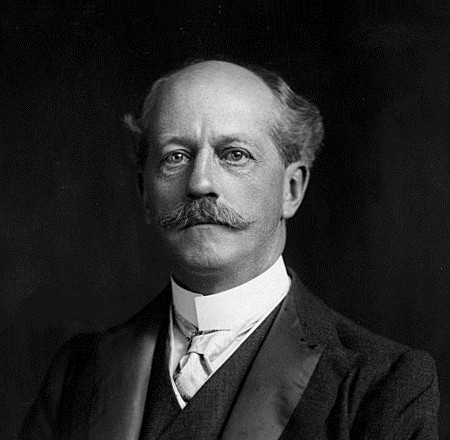
Percival Lowell, Unknown Photographer, 20th Century
The theory of life on Mars was popularized by Percival Lowell, an American buisnessman and astronomer.

The Rise of New Age Religions
New Age religions shook up how people view the potential for alien life, as well as how we view our own history. Read below to see how they have shaped the way many people view our world!
What Are New Age Religions?
New-Age religions first began emerging in the 19th century, yet saw a sudden boom in the 1970s. To understand why this happened, it is important to first understand what New Age religions are, and how they differ from more well-known, established religions like Protestant Christianity or Sunni Islam. Listed below are four basic criteria for identifying a New Age religion:
I. They emerged within the last two hundred years, usually in the West (i.e., North America, Western Europe, Australia, & New Zealand).
II. They either combine religious practices from different religions, or seek to revive religions that have already died out.
III. The practitioners of this religion show some sort of dissatisfaction with modern culture.
IV. They seek to empower the induvidual over the collective, especially when it comes to understanding one’s role in the wider universe.
Why Did New Age Religions Form?
The 1960s are most known for their counterculture movements that challenged social norms, especially those involving gender, race, and economic class. However, religion was not exempt from these counterculture movements. Many Americans had grown dissatisfied with the religious institutions they had grown up in, yet still sought to explore religion and spirituality. This led to a movement known as “the Religious Revolution,” where Americans began exploring their spirituality through less structured, less traditional religions.
The Religious Revolution in Utah
Utah, where Summum is based, was not exempt from the effects of the Religious Revolution. Despite the majority of Utah’s population identifying as Mormon from the 1960s and 1970s, these two decades saw many non-Mormons relocating to the state for its strong economy. This provided ample opportunity for new religions to emerge in the state, as more people from different backgrounds came together in the same environments sought to explore their faith and spirituality in less traditional ways.

Religion & Egyptomania
As mentioned on the home page, Egyptomania refers to the non-Egyptian fascination with Egypt. This phenomena has existed as early as antiquity (800 BCE-600 CE), but saw a notable increase in the West during the 18th century, when French Emperor Napoléon Bonaparte invaded Egypt. As Western imperial powers would fight to control Egypt for the next two hundred years, Egyptian history and culture would be shared with a new, Western audience.
Egyptomania spiked in the US in the 1920s, after the discovery of Tutankhamun Nebkheperure’s (King Tut’s) tomb in 1922, and has continued to influence American culture since then. Religion has been no exception to this, especially non-conforming New Age religions. Many of these religions – including Summum – have incorporated religious texts and practices from Ancient Egypt into their own teachings, and have used it to explain their belief in the existence of aliens.

Summum and…Aliens?
the Ancient Astronaut Theory
While Summum has never directly endorsed the ancient astronaut theory, the religion does share some overlap with it. The ancient astronaut theory is a pseudoscientific archeological theory that argues that extraterrestrials were partially or fully responsible for building the Giza Pyramids. Proponents of this theory argue that the level of engineering knowledge needed to build the Pyramids exceeded what Ancient Egypt or any other human civilizations had at the time. From this, they conclude that the Pyramids are the result of extraterrestrial sharing advanced knowledge with Ancient Egyptians to build the pyramids.
This theory has been factually debunked numerous times by historians, archeologists, and engineers. It has also been criticized for its racist undertones and diminishing of Egyptian accomplishments, as it argues that the Ancient Egyptians would not have been able to build such a large and complicated structure without outside help. Nevertheless, the theory remains popular in the contemporary West, and has been widely normalized due to TV shows like Ancient Aliens.
Aliens & Summum Theology
As mentioned earlier, human interactions with aliens are a core part of Summum’s theology. In fact, it would be a supposed encounter with alien life that would inspire Corky Ra to create Summum in the first place.
Ra’s first encounter with aliens – which he referred to as “Summa Induviduals” – occurred after he was abducted from his living room couch in the mid-1970s. According to Ra, the Induviduals were blue-skinned creatures that resembled humans but with uncannily perfect features. They revealed to him that their purpose for contacting him was to ensure human societies were “evolving” into their most advanced form (in a spiritual sense, not a biological one). After this initial meeting, Ra was abducted numerous times afterwards, with the Induviduals revealing new bits of information about the universe to him each time.


Upon examining Summum’s teachings, there are numerous similarities between it and the ancient astronaut theory, despite Summum never directly endorsing it. These are:
I. The role of the Individuals in Summum is to ensure human societies were “evolving” into their most advanced form. Even though this is referring to spiritual advancement, Ra never explicitly mentioned that he was the first person to be visited by aliens. As seen with the example below, this indicates that he believed others before him had had contact with the Individuals, and had been positively influenced by them.
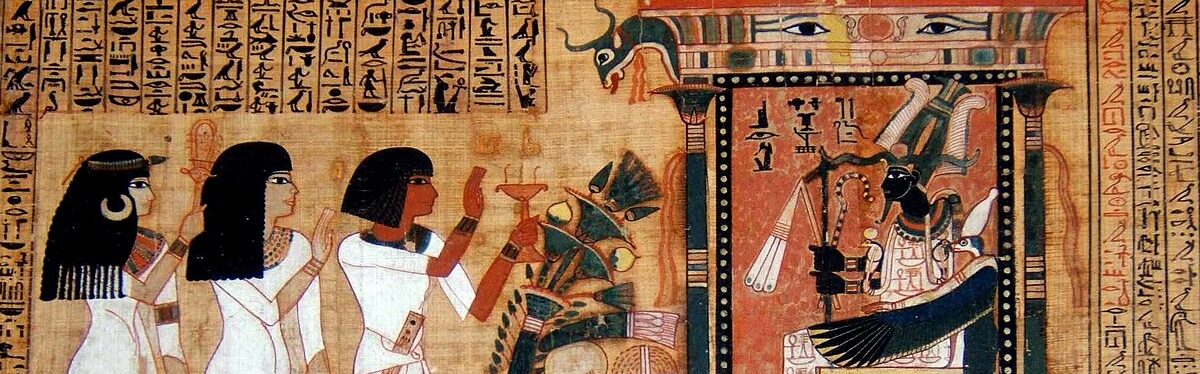
II. Ra once recounted an experience where he recognized the Individuals as the “gatekeepers” referred to in the Egyptian Book of the Dead, an Ancient Egyptian religious text that discussing death and burial. This indicates that Ra believed aliens had contact with Ancient Egyptians, and had influenced them in some way.

Is Summum Truly “Egyptian”?
In short, no. Despite it’s adoption of several Ancient Egyptian practices, Summum is distinct from the religion practiced in Egypt over 2,000 years ago. Below are the two major reasons why labeling the Summum as the same religion of Ancient Egypt is inaccurate:
I. Corky Ra, the leader of Summum, never occupied the role of pharaoh within Summum. In Ancient Egyptian religion, pharaohs were worshipped as gods and were seen as members of the Ancient Egyptian pantheon. However, Ra frequently described himself as a minor, almost unwilling player in a much larger cosmic event, and never as the center of the religion itself.
II. While Summum frequently integrates Ancient Egyptian texts like the Egyptian Book of the Dead in their teachings, they also incorporate non-Egyptian texts like the Tibetan Book of the Dead (a Buddhist text), the Kybalion (a Hermantic text), and works by Patanjali (an Indian philosopher). This demonstrates an interest in exploring religion and spirituality through a variety of different perspectives instead of solely through a traditional Ancient Egyptian one.
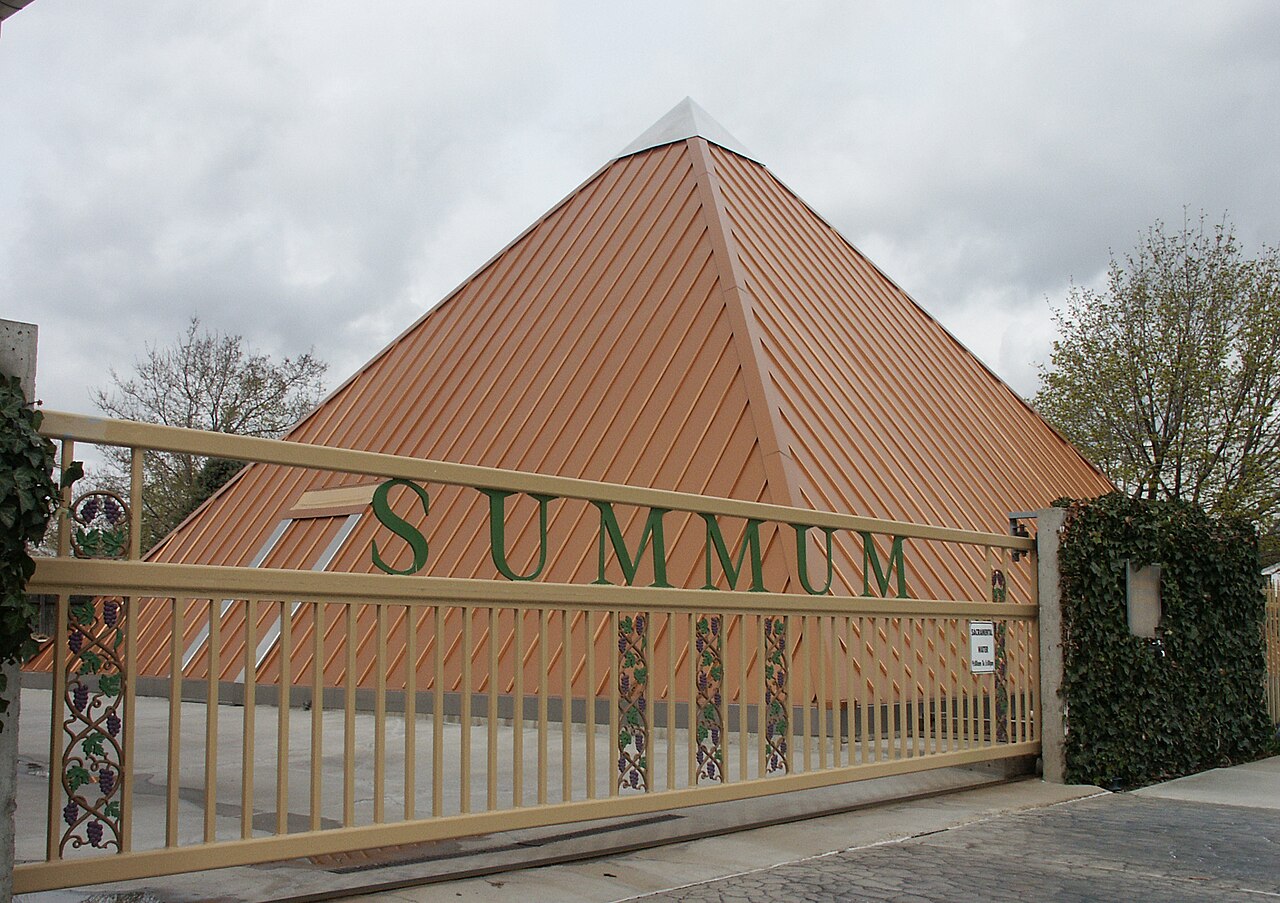
Summum has revived some very real Ancient Egyptian religious practices, including mummifying humans and pets, as well as using a pyramid as a burial tomb and a place of worship. However, a more in-depth examination of their philosophic and religious teachings reveal a far more theologically diverse religion that is not limited to Ancient Egyptian teachings.
What Should we Make of this?
Instead of viewing Summum as a continuation of Ancient Egyptian religion, it is better to view it as an outcome of Western Egyptomania influencing the Religious Revolution. Despite its revival of some Ancient Egyptian practices, Summum is far more broad in its spiritual beliefs, theology, and practices – common characteristics of a New Age religion, especially one that emerged in the US in the 1970s.
However, despite not being a direct continuation of an ancient religion, Summum still provides interesting insight into how Ancient Egypt continues to influence the West in new, exciting ways. Today, followers of Summum continue to meet inside the Summum Pyramid to study various philosophical texts from around the world. Therefore, despite being a fairly small religion, it looks like Summum is not going anywhere anytime soon.
Suggested Reading
Crowe, Michael J. and Matthew F. Dowd. Astrobiology, History, and Society: Life Beyond Earth and the Impact of Discovery, edited by Douglas A. Vakoch. Berlin, Germany: Springer Berlin Heidelberg, 2013. Read it here.
Fritze, Ronald H.. Egyptomania: A History of Fascination, Obsession and Fantasy. London, U.K.: Reaktion Books, 2021. Read it here.
Hanegraaff, Wouter J. New Age Religion and Western Culture: Esotericism in the Mirror of Secular Thought. Albany, NY: State University of New York Press, 1998. Read it here.
Sommer, Morgana. “Pseudoarcheology and the ancient astronaut theory: an analysis of a modern belief system.” Capstone. California State University, Monterey Bay, 2012. Read it here.
