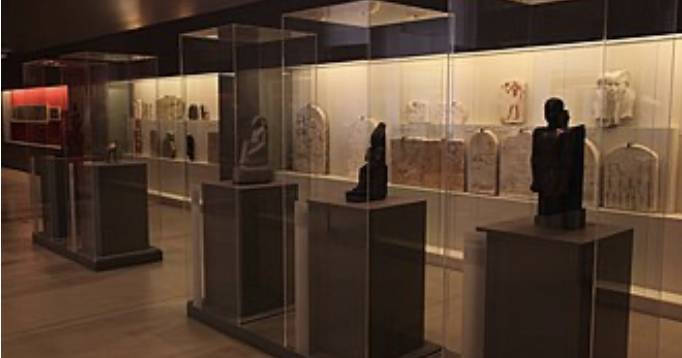
Timeline of Egyptology
1798-1801
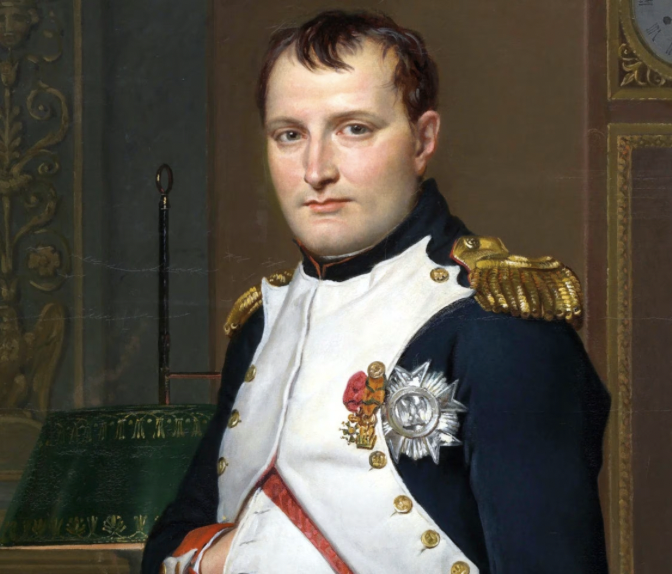
Imperialism is Happening
Napoleon takes an expedition to Egypt from 1798-1801. On that trip, he is accompanied by many artists and scholars who take notes on what the see. They then published “Description de I’Egypte, which was a guide to Egypt as a whole. This was the earliest record of the start of Egyptology.
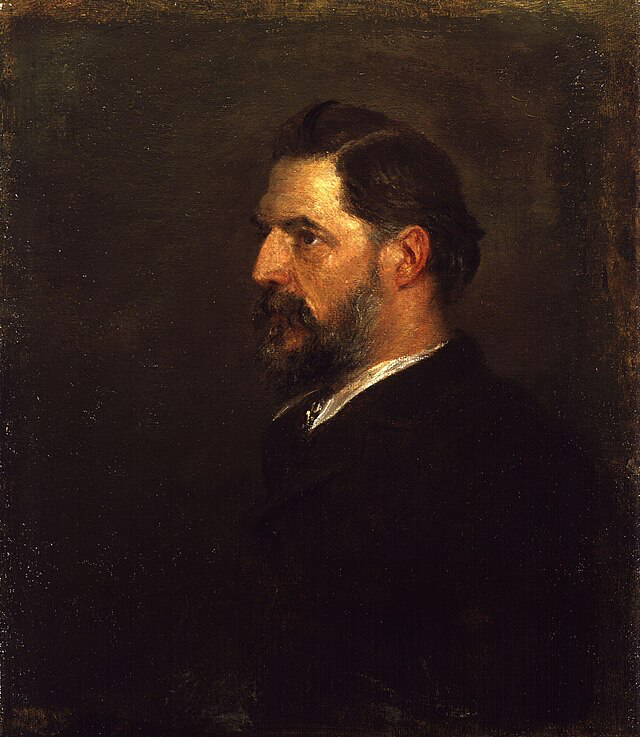
Flinders Petrie
Flinders Petrie is a very well-known Egyptologist whose contribution was discovering a complex system of dating various artifacts from Egypt based on the paintings and markings on the pottery, which was incredibly helpful for identifying when things were made in Egypt. This system of dating is still used today, and helps modern Egyptologists date pieces of art that they examine.
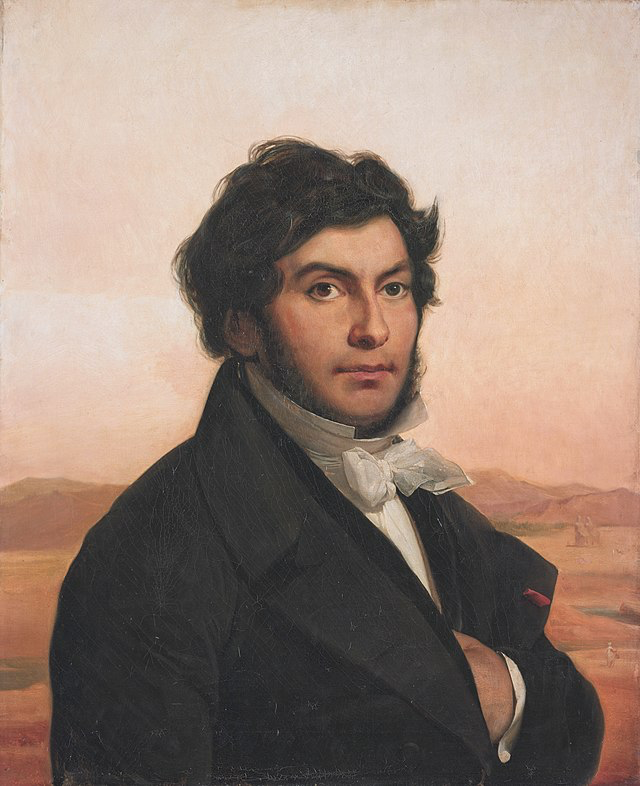
Jean-Francois Champollion
Jean-Francois Champollion discovered how to translate the Rosetta Stone. The Rosetta stone was discovered by Pierre Francois Bouchard on France’s expedition to Egypt led by Napoleon. Champollion figured out that the languages on the Rosetta Stone were phonograms, which meant that they all said the same thing. With this knowledge, he began translating the hieroglyphics and coptic to the Greek language, and with that knowledge he was able to decipher all the languages. Once this was complete, scholars were able to interpret almost any Egyptian text.
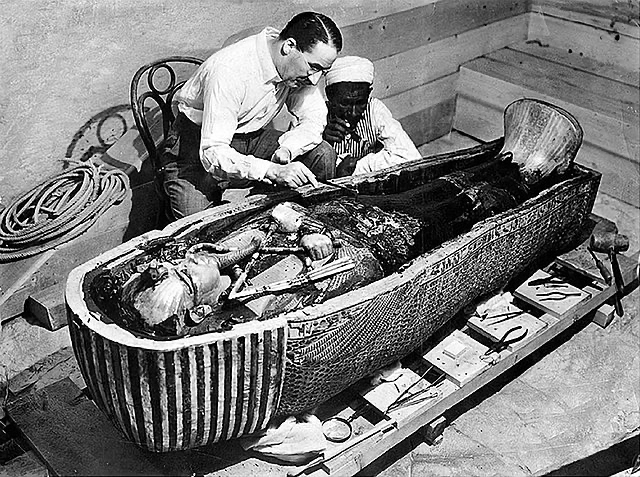
Howard Carter
Howard Carter found the tomb of Tutankhamun in the Valley of Kings, more commonly referred to as King Tut’s tomb. His tomb was filled with expensive and lavish artifacts, and has become one of the most well-known discoveries in history.
Present Day
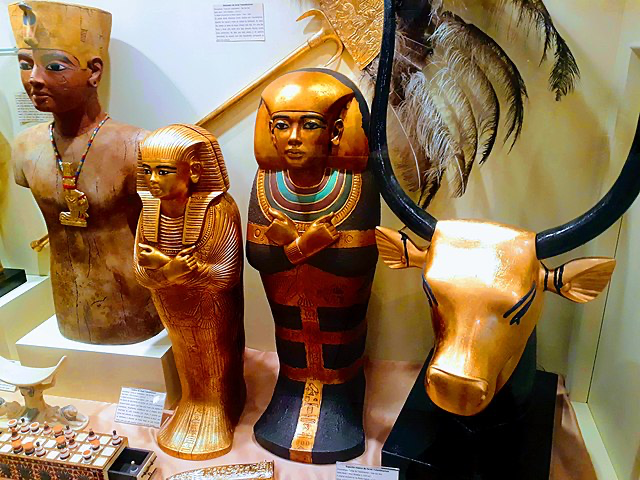
Many Others
Egyptology has continued for many decades, and still is a profession in today’s society!
Wilkinson is often referred to as the founder of Egyptology in Great Britain, which demonstrates the importance of his work. For a little bit of background information on Wilkinson, he was born into a middle class family that was very well educated. They were situated right in the context of the Enlightenment, which means that he grew up with exposure to the encouragement to pursue his ideas. His father was a member of two antiquarian societies, so he was exposed to these ideas from very early on in his life. He attended Oxford, and afterwards he went on a “grand tour” of Europe in its entirety.
Here is an engraving made by Wilkinson of an engraving that he observed on his trip to Egypt.
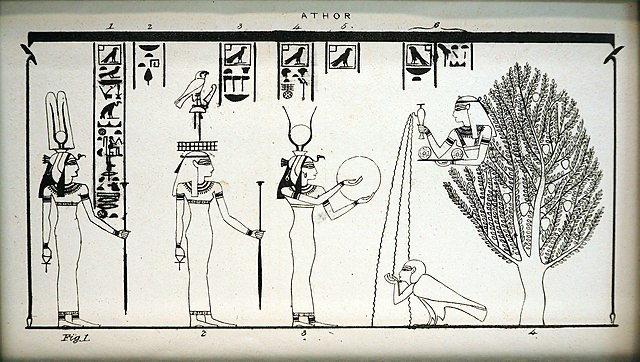
John Gardner Wilkinson: Early Life and Expedition to Egypt
On November 22, 1821, he landed in Alexandria and began his expedition to Egypt. Without the access granted to people such as Wilkinson as a result of imperialism, people would never have gained such a deep understanding of Egyptian culture. In order to officially begin his research, Wilkinson was able to obtain a firman, which was an official permission slip for him to tour the country of Egypt in its entirety.
While travelling around, Wilkinson made sketches of places and monuments that he saw. The sketches were primarily of artifacts and monuments, noting important details and capturing their beauty. One of the most remarkable things about this is that in some cases, his sketches are the only evidence we have remaining of certain monuments, as they have been destroyed in the years that followed.
Fast Facts about John Gardner Wilkinson!
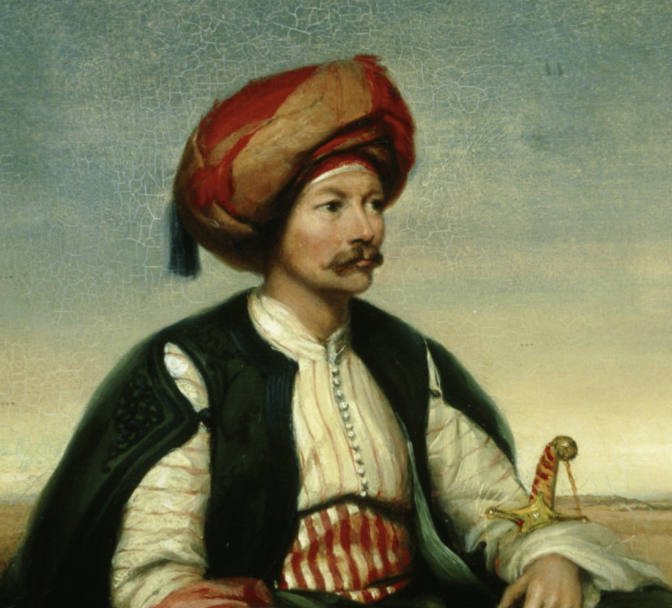
He made 83 sketchbooks over his career!
His main expedition lasted twelve years!
He returned to Egypt 2 more times later in life!
Some of his works are the only proof we have of the existence of certain monuments!
His works are kept at Oxford University!
He was knighted for his work in 1839!
John Gardner Wilkinson
Wilkinson is often referred to as “The Father of Egyptology” which is a nod to the influential nature of the work he produced.
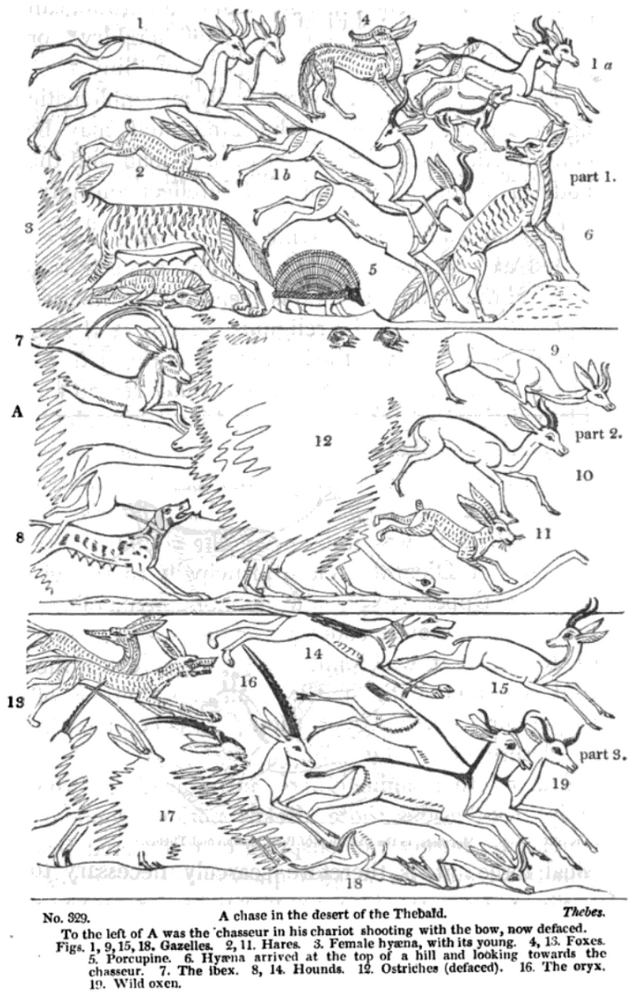
1. Above is a sketch from his book that shows different animals he observed in a chase while on his expedition. He detailed the drawing with numbers and descriptions that correspond with each animal shown on the page.
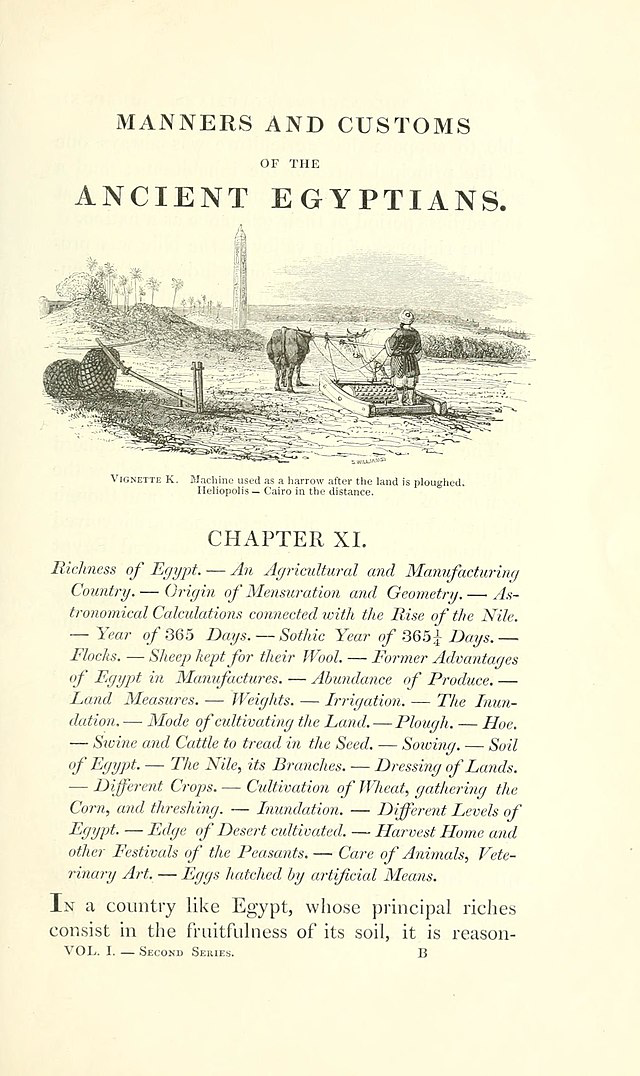
Over the course of his career, Wilkinson wrote many books. How most famous, titled The Manners and Customs of Ancient Egyptians covers every aspect of Egyptian daily life. He also made many other travel guides for the general public.
2. This is a page from his book that discusses different aspects of Egyptian daily life.
Dynamic Egyptology
Wilkinson was also a very dynamic Egyptologist, taking various environmental approaches that were ahead of their time. Instead of simply examining artifacts and monuments, he examined the natural environment that Egypt had to offer and looked into how that affected its civilizations for generations. Many present-day scholars of Egyptology are critical of Wilkinson, assuming that he followed what is known as the idea of “eternal Egypt” which refers to the idea that Egypt’s lands were unchanged throughout history, and that environmental changes were not monitored by early Egyptologists such as WIlkinson. However, scholar Robert Frost asserts that this was not the case, and Wilkinson in fact paid heavy attention to the environment with the limited technology in comparison to today’s research. As stated, Wilkinson took his first trip to Egypt in 1821, and he eventually stayed there for 12 years to complete his first expedition. He would eventually return two more times later in his career, into the 40s and 50s. One of his most recognizable books written about Egypt was Handbook for Travellers in Egypt from 1847, which was a travel guide for anyone who would visit. One of the things that this focused on was the geomorphical landscape of Egypt, and research into how that affected the people who lived there. One of the biggest questions that faced scholars at the time was how civilizations developed in ancient Egypt, and where people migrated from to create those civilizations. In order to complete this heavy task, he examined the landscapes of Egypt in an attempt to understand how they had shifted over time, and how that had affected its peoples.
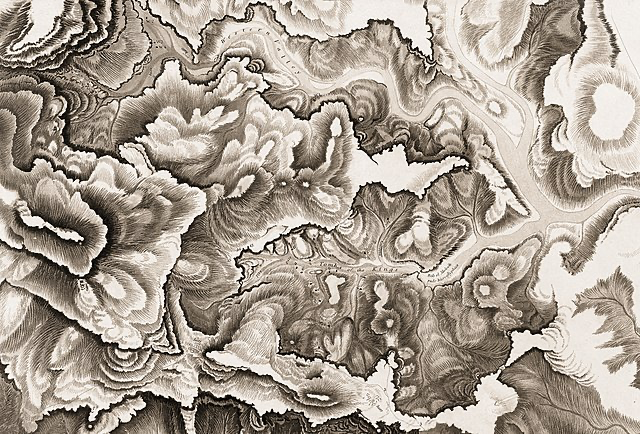
One of the largest contributions he made to this topic of research was that the Nile Delta had actually been present for multiple generations, as opposed to the common thought that it had grown gradually into itself over many years. This discovery allowed him to deduce some ideas about the ancient Egyptians, mainly that they migrated from southwest Asia when they came to Egypt. The beauty of these findings was that Wilkinson would also publish many of them in the Journal of Geographical Royal Society which was a public journal, meaning that everyday people could read about these ideas and gain a better understanding of Egypt. At the time of all this research, science was developing rapidly, and people were beginning to see the earth as more dynamic. However, scholars such as Georges Cuvier still got it wrong. Cuvier believed that natural erosion was impossible and that only humans could change the landscape, but Wilkinson proved him wrong with his dynamic evaluation of Egypt.
Edward William Lane
One of the key takeaways from the research of John Gardner Wilkinson is that his primary focus was on ancient Egypt. He examined pieces of Egypt that had implications of the past, and old ways of life. However, there were many Egyptologists that took different approaches to their research. Edward William Lane was an Egyptologist whose focus was primarily on modern Egypt. He began with his account called Description, which was never actually published. In it, he wrote of how “I was not visiting Egypt merely as a traveller, to examine its pyramids and temples and grottoes, and, after satisfying my curiosity, to quit it for scenes and other pleasures–but I was about to throw myself entirely among strangers.” This highlights how his goal in Egypt was to understand the way of life of modern Egyptians, not the past. In his book Modern Egyptians, he focused on modern Egyptian society and language. He took two expeditions to Egypt, the second focusing primarily for his research on modern Egyptians in an attempt to gain information for his book. In a similar manner, he also published a book titled An Account of the Manners and Customs of Modern Egyptians in October of 1835. This book, unlike other books on Egypt that dabbled primarily with Ancient Egypt, solely focused on Modern Egypt and Egyptians. It is worth noting that Wilkinson had a book of a similar title, however that one focused primarily on ancient Egypt. This is in direct contrast to the work of Wilkinson, who focused primarily on Ancient Egypt. It is here that Wilkinson’s work is challenged through the lens of newer and more modern research. However, despite their differences, they both shared the sentiment of trying to gain a better understanding of the lives of Egyptians. As a result, in place of viewing them as adversaries, their research complimented each other and built off of one another. Wilkinson was able to establish the context for Lane’s modern research, which is why Wilkinson remains the most influential Egyptologist from this period.
Wilkinson’s Legacy
Today, Egypt is a hot spot for tourism, hosting people from all around the world to experience its culture. The world has adapted in many ways, and easier options for travel have made places such as Egypt incredibly accessible for anyone wanting to travel. People in the 19th and 20th centuries did not have it this way. The extent of their knowledge on Egypt was dependent on the accounts of those who were able to travel there and share their experiences in a clear and digestible way. John Gardner Wilkinson did just that. Through his many expeditions to Egypt, he recorded their history and published it in books that were open to the vast public. For many years, those recordings were the only source of Egypt’s history that Europeans had. He put in effort to preserve their culture, and his work embodies the principles of diligence and attention to detail. This demonstrates the importance of the field of Egyptology, and how it not only captured Egypt’s history as it unfolded, but also preserved its past. In an ever-changing world, all people must rely on the past to learn from it and use it to inspire the future, and Egyptology serves as a prime example of how vital it is to preserve the elements and lessons from the past.
The End of an era
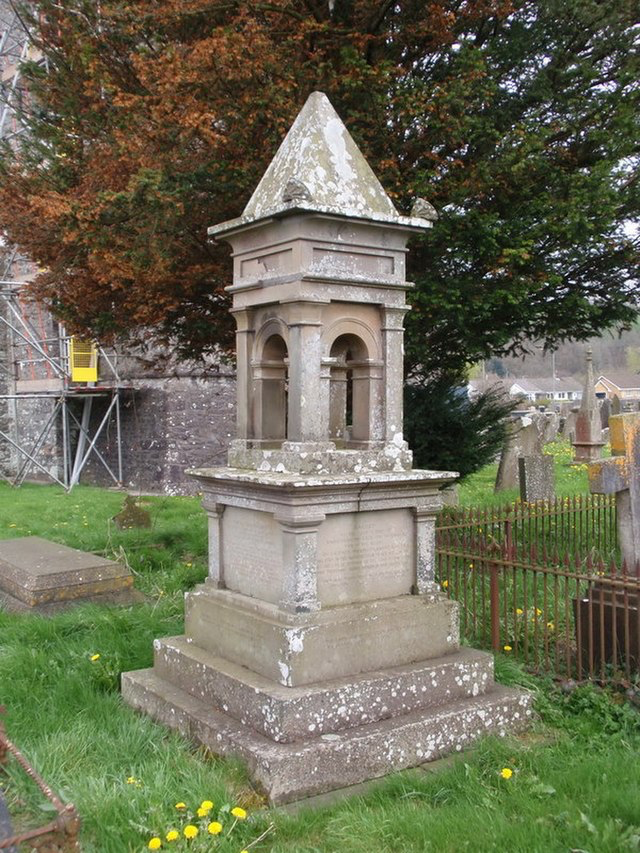
Pictured here is Wilkinson’s gravestone. He died in 1875. He lives on as the most impactful Egyptologist of his time, and his contributions to the field are still relevant in today’s world.
