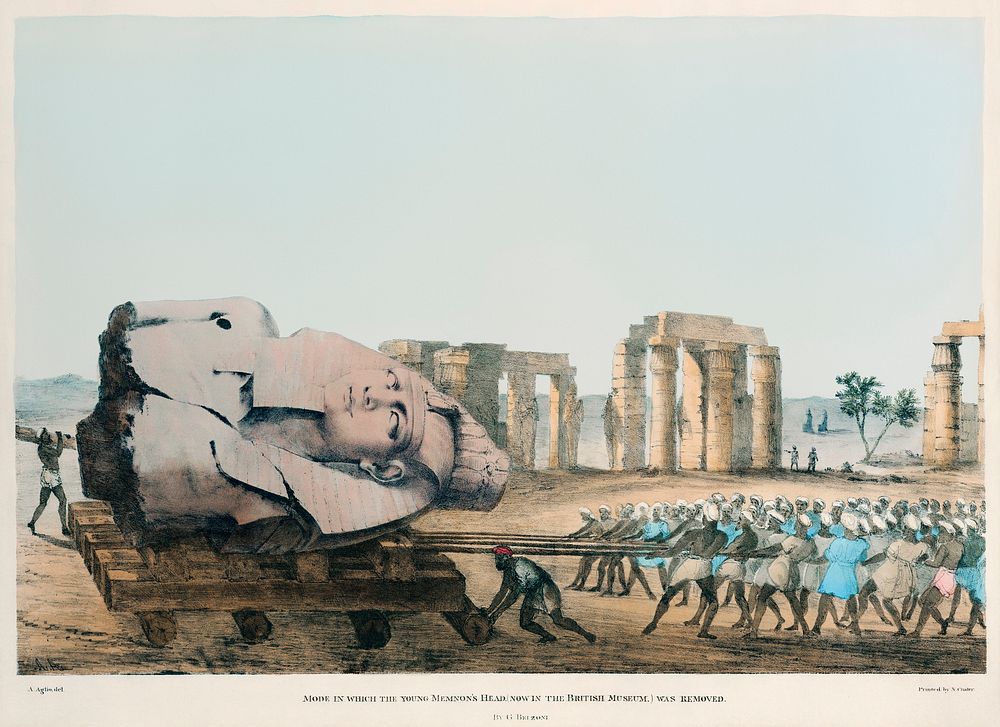
From the Tomb of Seti exhibit at the Egyptian Hall in London in 1821 to the statue of the Young Memnon which still stands in the British museum, Giovanni Belzoni’s travels in the Nile Valley earned him both the prestige of recovering some of the most illustrious Egyptian artifacts in England and the acrimony of future historians and archaeologists alike.
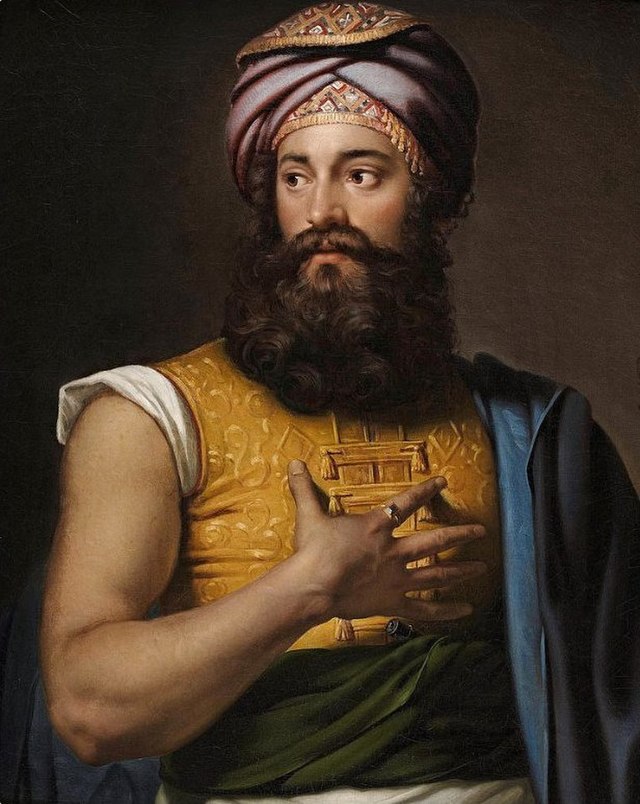
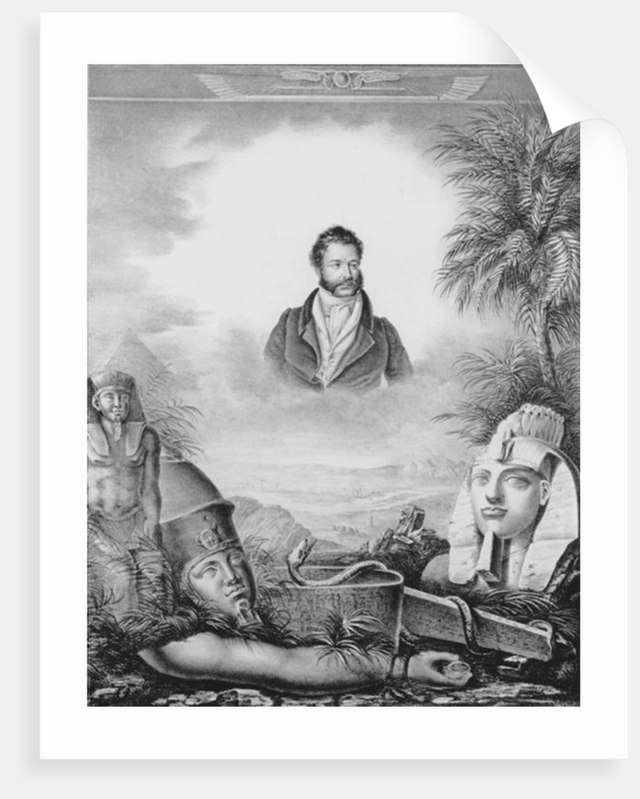
In a time referred to as “The great days of excavation” by Howard Carter, the discoverer of King Tut, Belzoni’s fortuitous involvement in the post-napoleonic wave of Egyptomania sits at the head of a large body of work by successive travellers and amateur antiquarians.
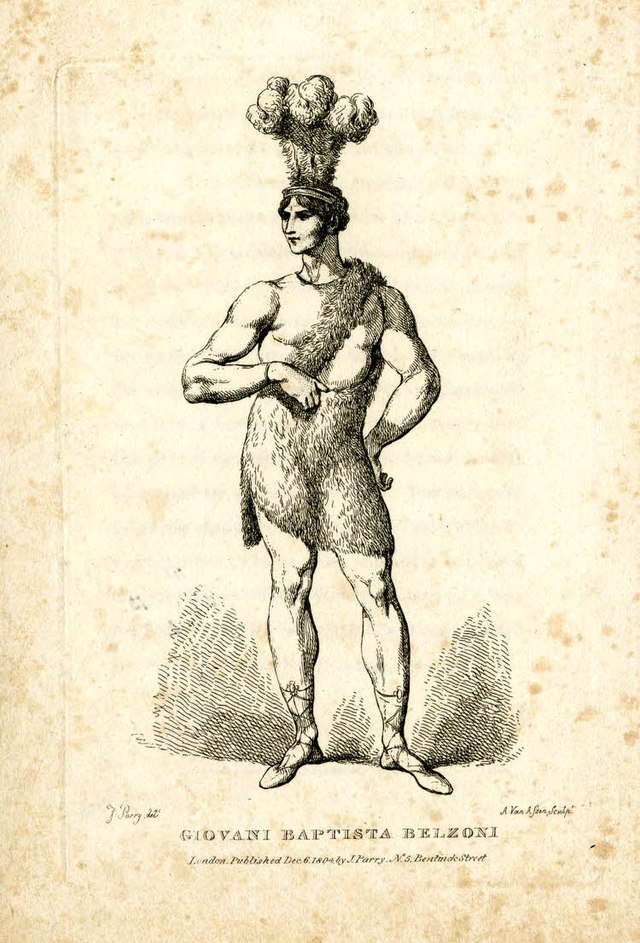
In 1803 Belzoni found work in a circus show as the ‘Patagonian Sampson’ and performed as a strong man in theatrical shows for 12 years. He was well employed, and even described by Charles Dickens as a “hercules in tinsel.” His career on the stage prepared Belzoni for a specialization in the exotic and the exciting.
Timeline of Belzoni’s Excavations and Discoveries
June 1815
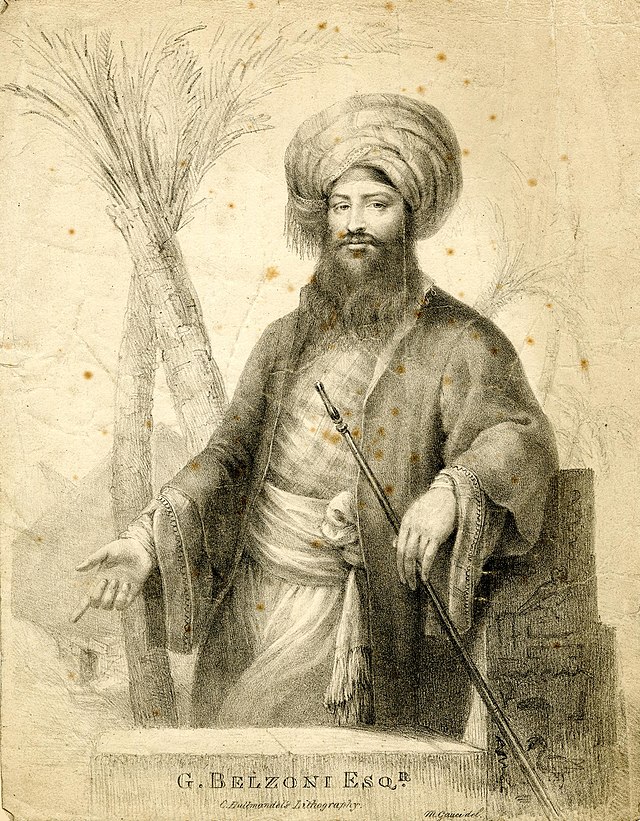
Belzoni arrives in Egypt
Following a circus show in Malta in 1813 in which Belzoni used hydraulic engineering as part of his performance, Belzoni was asked by one of Ali’s agents in Malta to accompany him back to Cairo to meet the Pasha in 1815.
August 12, 1916
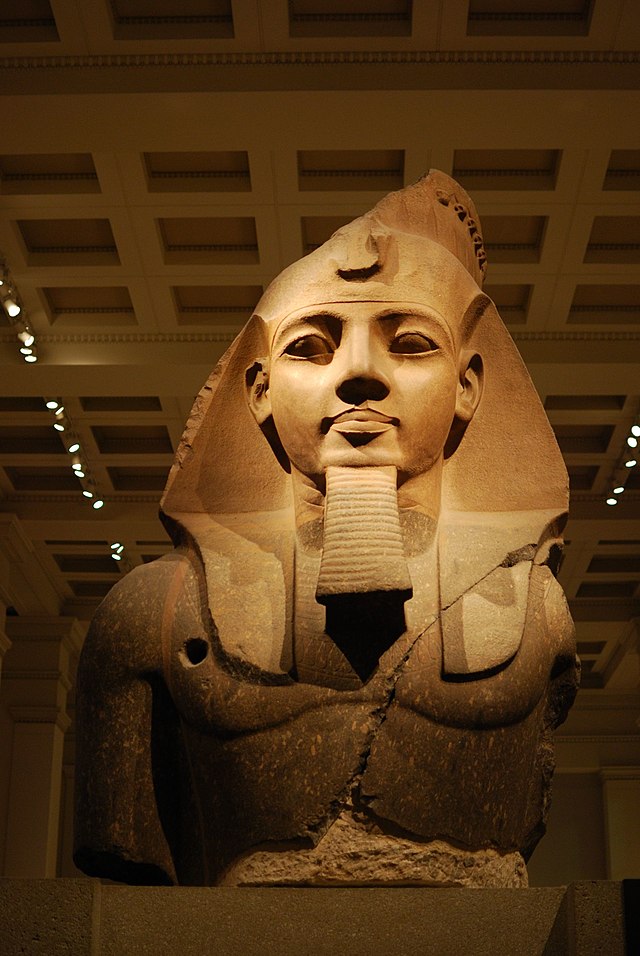
Excavation of the Young Memnon
Also known as Ramses II, the bust of Young Memnon was removed to England, demolishing half of the temple, the Ramesseum, in the process.
August 1, 1817
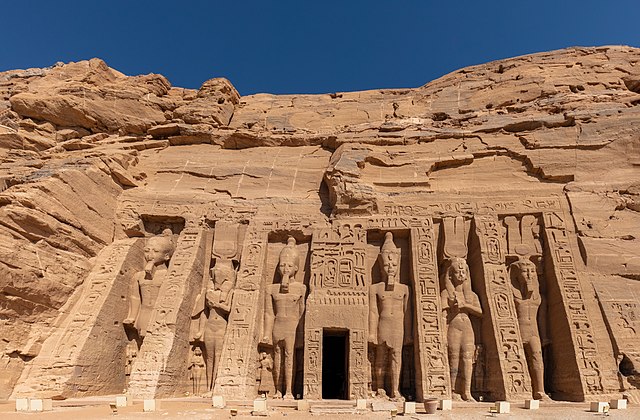
Interior of the Temple at Abu Simbel
Belzoni’s attempt to enter the temple at Abu Simbel was not an easy one. Requiring two trips up the Nile, multiple firmans, countless bribes, and three different crews, Belzoni finally excavated the entrance to the famed temple after multiple months.
October 6, 1817
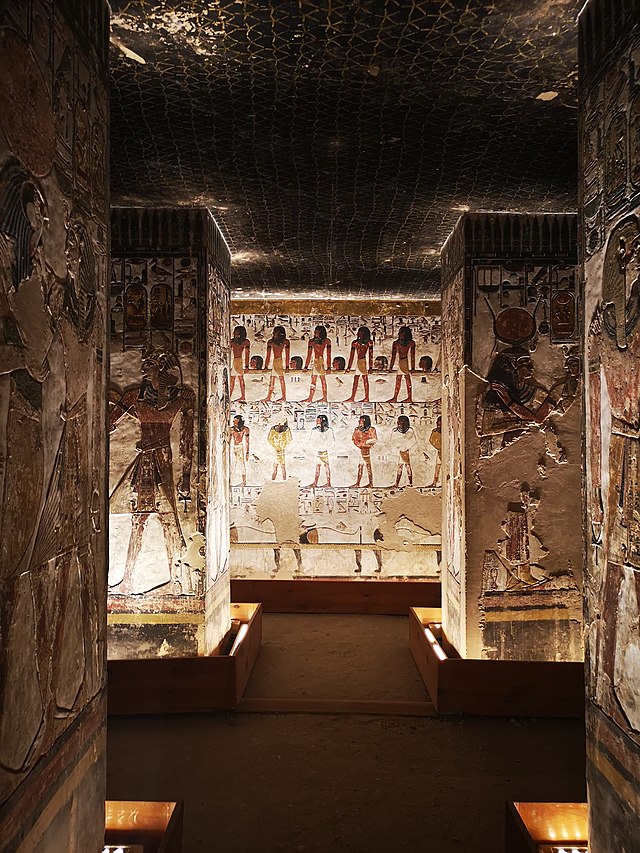
Discovery of the Tomb of Seti I in the Valley of the Kings
While digging in the Valley of Kings, Belzoni found the entrance to the tomb of this New Kindom ruler. While the name of the pharaoh to whom the tomb was dedicated, Seti, was written all over the walls in cartouches, Belzoni was not yet able to identify him as such because the decipherment of heiroglyphs had not yet been made possible by the Rosetta Stone.
March 2, 1818
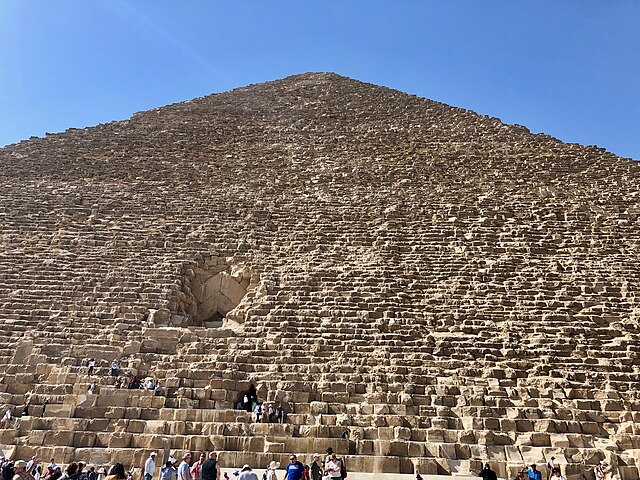
Penetration of the Interior of the Second Pyramid of Giza
After many failed attempts and without the financial backing of the Consul-General, Henry Salt, Belzoni managed to find the entrance to the Second Pyramid of Giza, making him the first ever European to enter.
August, 1818
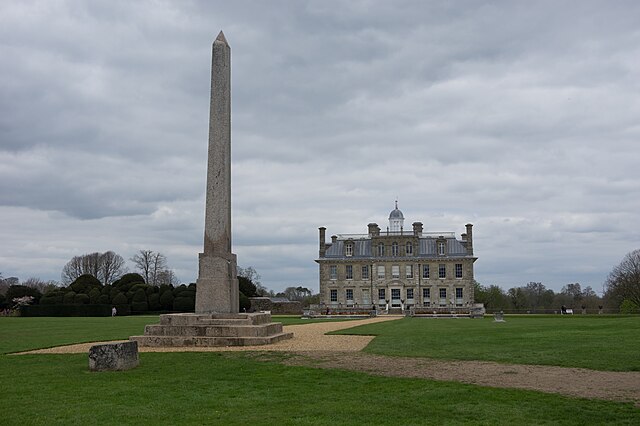
Removal of the Obelisk at Philae
Belzoni nearly lost the obelisk in the Nile after it slipped off support poles, but he managed to recover it with ropes and manpower.
Weird Facts and Trivia!
Click for more information
Belzoni was a cistercian monk
Really?
Yes, really! Before joining the circus, Belzoni joined an order of Cistercian monks in his hometown of Padua to avoid mandatory conscription into the army. He later escaped by becoming a peddler and travelling to London.
Belzoni Met the Pasha of Egypt, Muhammad Ali
How?
On the road in Malta for his travalling circus show, Belzoni picked up an interest in hydraulic engineering. He would create amateur sets for his shows and do tricks with machines that would push water through the bottom of the stage. After being scouted by one of Ali’s agents in Malta, Belzoni was asked to visit Egypt to meet the Pasha, which began his journeys.
Belzoni’s wife, sarah, chased down a group of men with a gun
Why?
Sarah Belzoni, realizing that men were attempting to infiltrate her tent, began to scream, grabbed the pistol she kept on her at all times, and chased off the men while brandishing her weapon.
Belzoni often fell victim to Montezuma’s Revenge
What?
Throughout his account, Belzoni provided relatively graphic, though proprietous, account of his travellers illness, oftened referred to as ‘Montezuma’s revenge’. He would put into writing his bodily pain and ensuing excretion, which often prohibited him from overseeing digs for days at a time.
He was chased through london by an angry mob
Why?
Leaving a theater one night with his wife, Sarah, Belzoni was arrested by the Bow Street Runners for allegedly crashing a benefit party for the Irish poor. While they were mistaken, and had misidentified the culprit, the event left the Belzoni’s incredibly shaken up.
Image Gallery
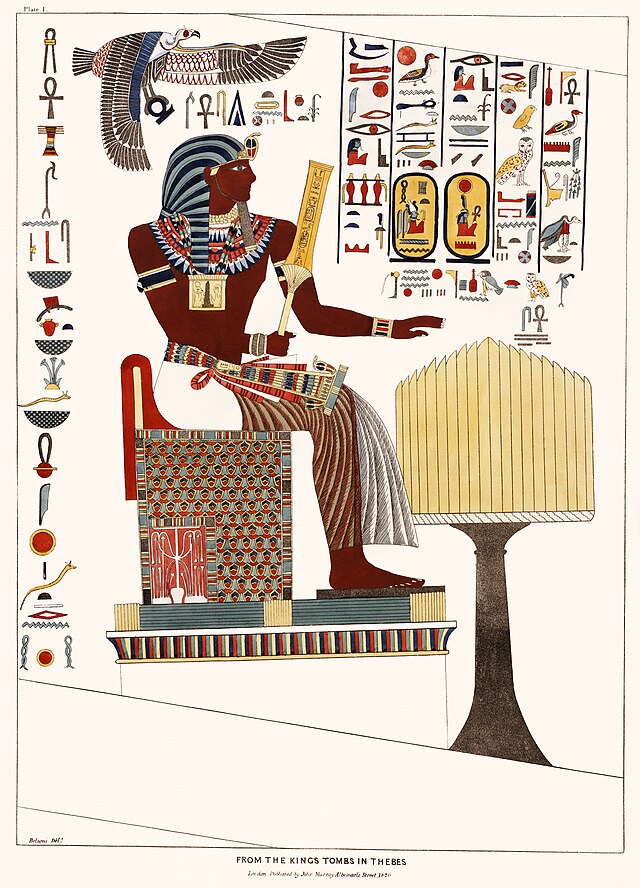
Illustration by S. Belzoni
Sitting figure illustration from the kings tombs in Thebes by Giovanni Battista Belzoni (1778-1823) from Plates illustrative of the researches and operations in Egypt and Nubia (1820).
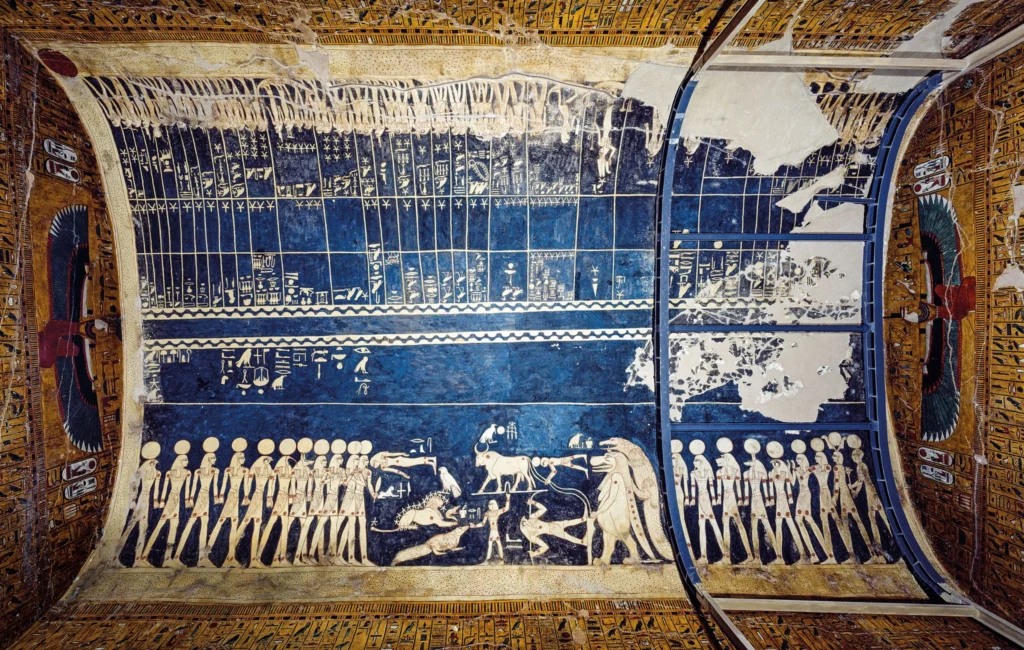
Tomb of Seti I
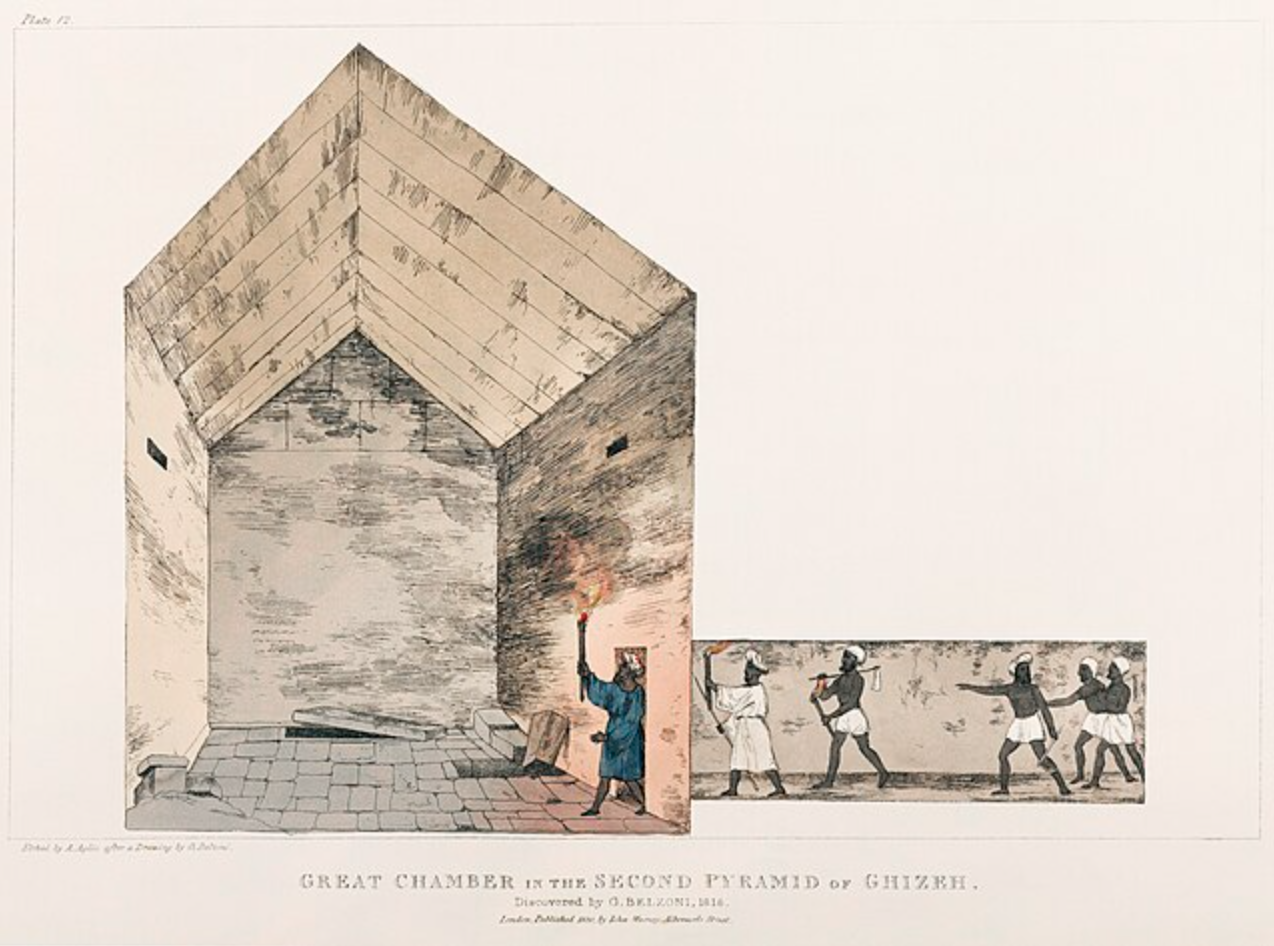
Illustration by S. Belzoni
Great Chamber in the interior of the Pyramid illustration from the kings tombs in Thebes by Sarah Belzoni from Plates illustrative of the researches and operations in Egypt and Nubia (1820).
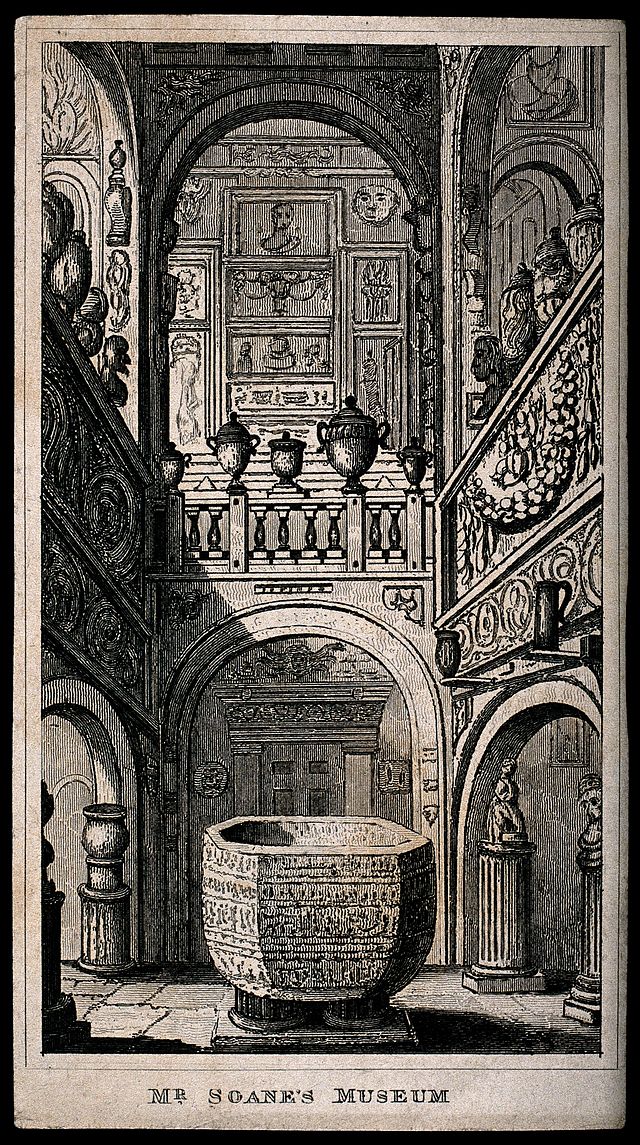
Sarcophagus of Seti I
Sir John Soane’s House and Museum: the Belzoni Chamber at basement level, showing the sarcophagus of Seti I.
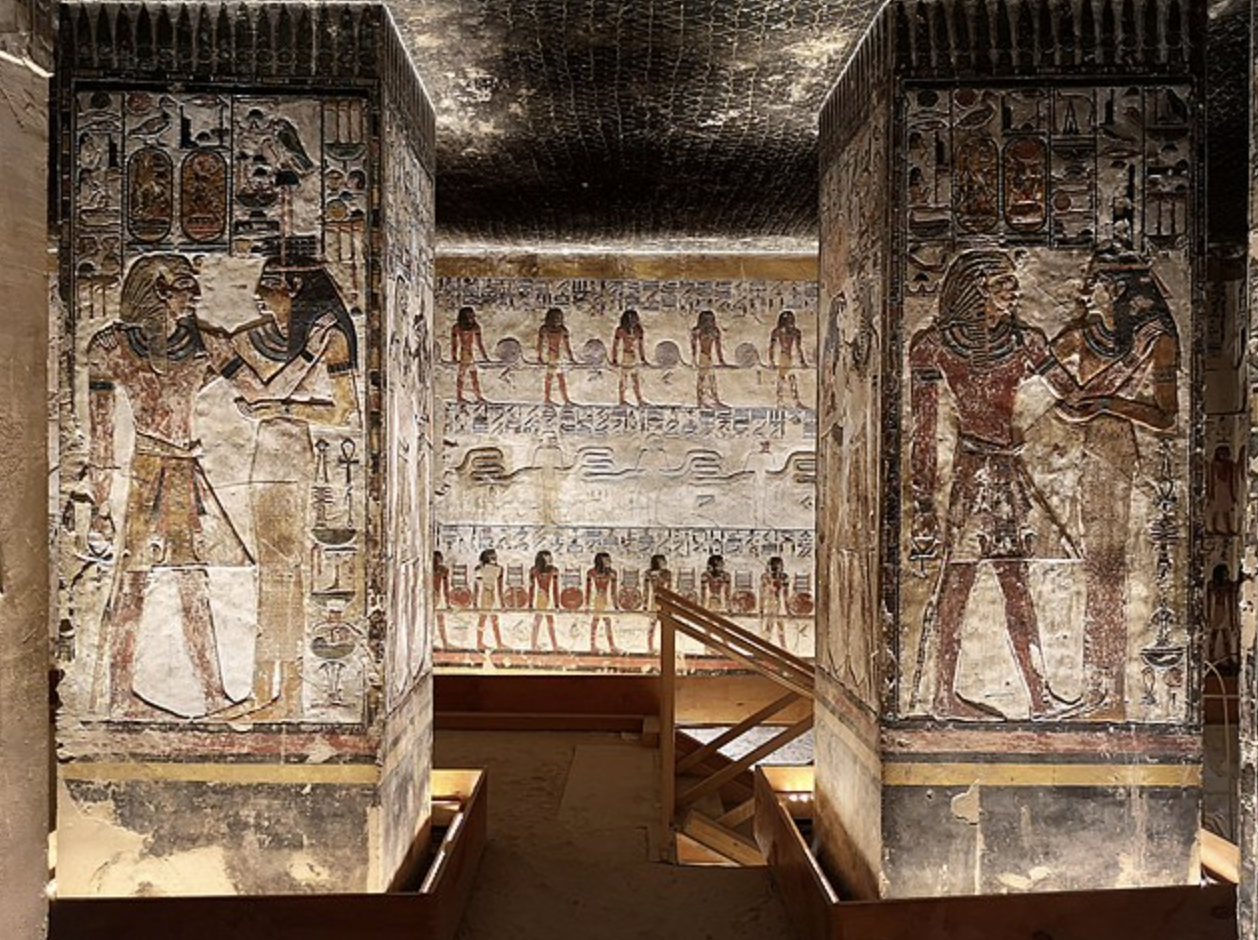
Tomb of Seti I
Tomb of Pharaoh Seti I of the Nineteenth Dynasty, Pillared Chamber F, left pillar Seti before Hathor as Goddess of the West, right pillar Seti before Isis, Valley of the Kings, Egypt.
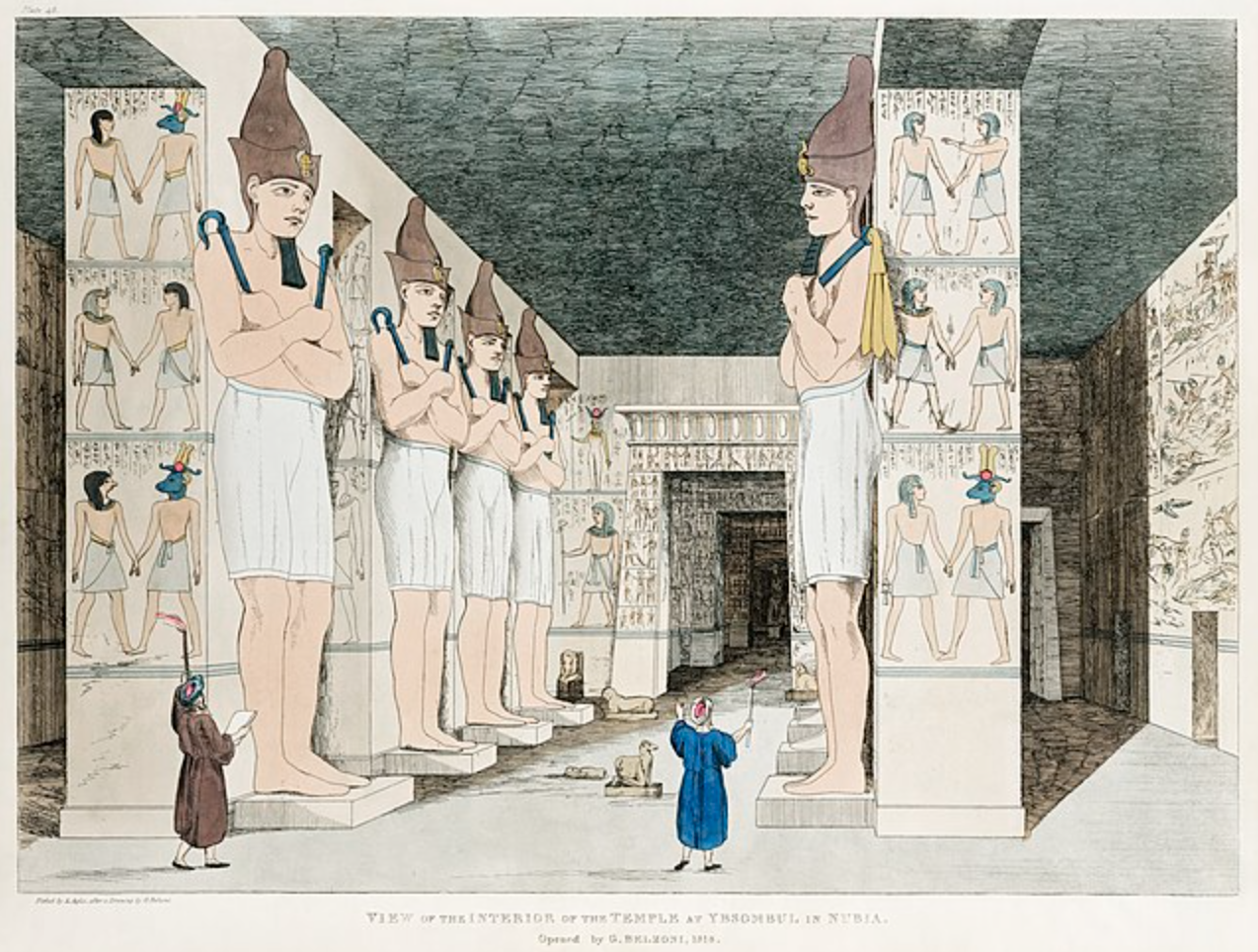
Interior of the Temple at Abu Simbel by S. Belzoni
Illustration from the kings tombs in Thebes from Plates illustrative of the researches and operations in Egypt and Nubia (1820)
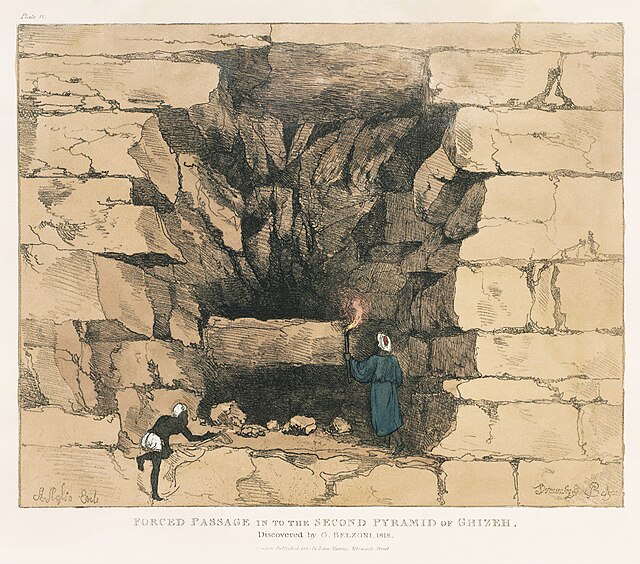
Illustration by S. Belzoni
False Passage towards the centre of the Pyramid for Giovanni Battista Belzoni (1778-1823) from Plates illustrative of the researches and operations in Egypt and Nubia (1820).

Illustration by S. Belzoni
Exterior view of the two temples at Ybsambul illustration from the kings tombs in Thebes by Sarah Belzoni for her husband, Giovanni Belzoni from Plates illustrative of the researches and operations in Egypt and Nubia (1820).
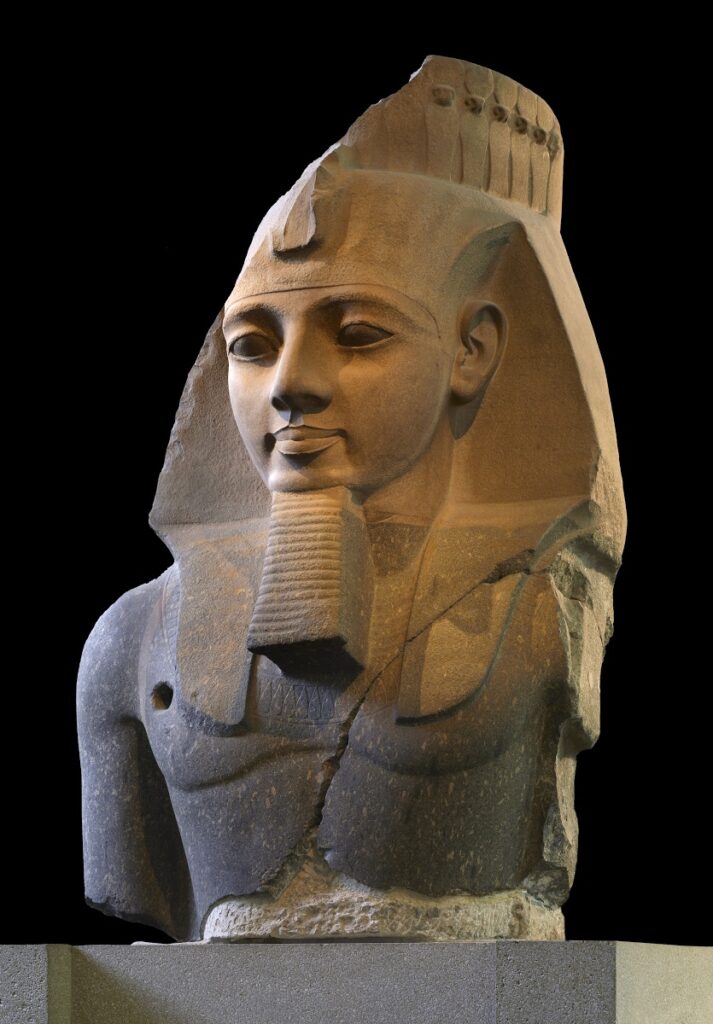
Ramses II
“Young Memnon”
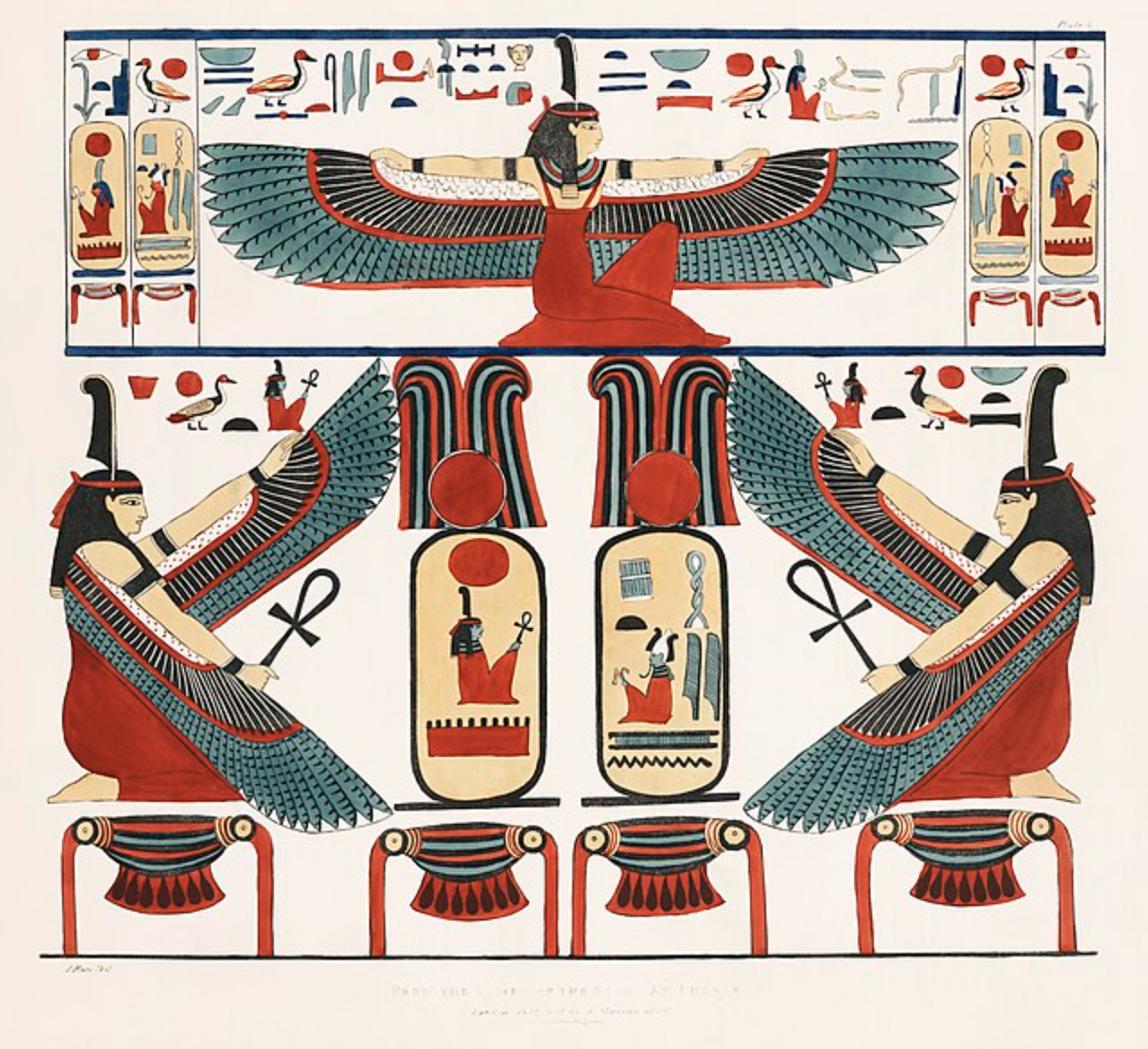
Illustration by S. Belzoni
Tableau representing the two Niches illustration from the kings tombs in Thebes by Sarah Belzoni from Plates illustrative of the researches and operations in Egypt and Nubia (1820).
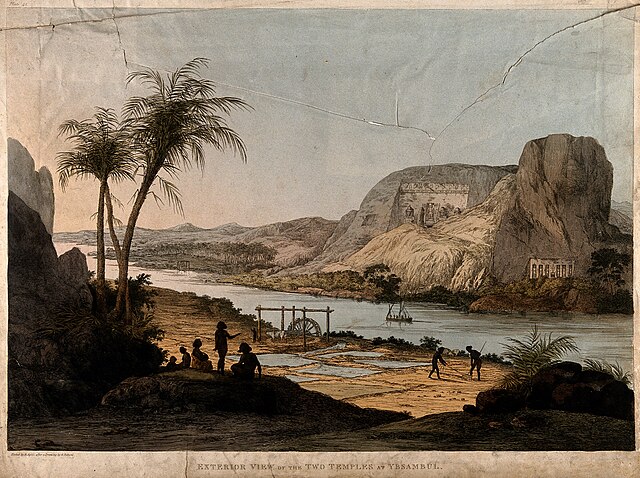
Illustration by S. Belzoni
Two temples seen from across the Nile river, 1820, for G. Belzoni.
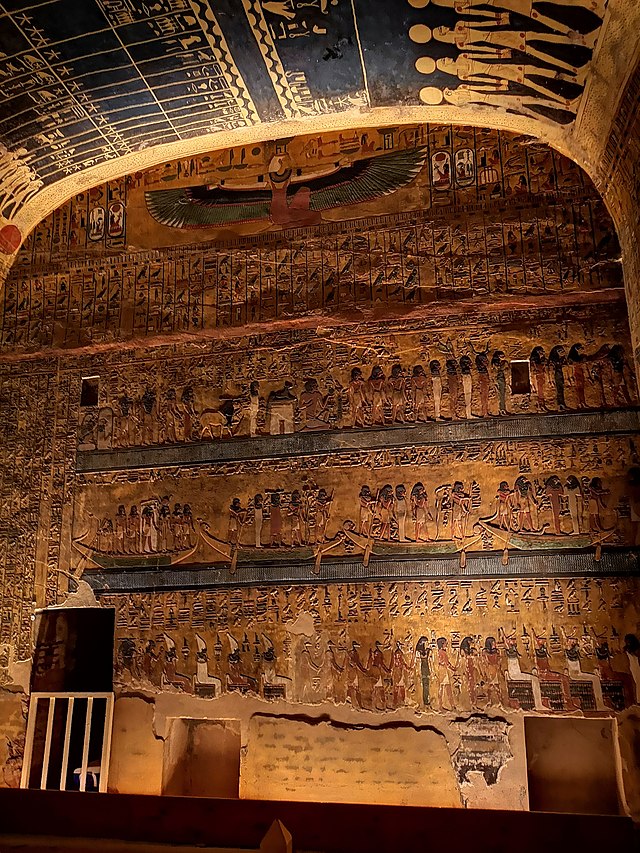
Tomb of Pharaoh Seti I
Recommended Reading
- Giovanni Belzoni: The Giant Archaeologists Love to Hate – Noel Ivor Hume
- The Great Belzoni – Stanley Mayes
- The Rape of the Nile – Brian Fagan
