This webpage falls into the broader cluster of “Weird Egypt”. From turning the mummy into a ground up miracle drug, to a Hollywood monster who lives rent free in our worst nightmares, the ways in which the West has remembered ancient Egypt and its mummies are “Weird” to say the least! After exploring this page, you’ll see how the West didn’t just misunderstand ancient Egypt, it remade it!
Now, before we get into some of the darker stuff (i.e. the ways the West has purposefully depicted Egypt in a menacing light), lets talk about one of the rather funny and incidental ways the West has misrepresented Egypt. And to do that, we’ll take a look at the practice of Mumiya!
What is Mumiya?

Im glad you asked! And quite frankly, the answer depends on the context in which it is being discussed. To those living in ancient Egypt, Mumiya was a black, tarry, viscous substance that was found in western Asia, and was believed by Arabs to have potent medicinal values due to its natural mineral density. Ibn Sina, a famous 11th century physician, wrote about the natural substance in his books, most famously the Canon of Medicine. However, during the translation of his works into Latin, Mumiya was misinterpreted to mean the flesh of embalmed Egyptian mummies!
So people ate mummies?!

Indeed they did! Between the 12th and 18th centuries, mumiya, the ground up remains of actual embalmed Egyptian bodies, became a hot commodity in European medicine. Physicians believed it could cure everything from headaches to internal bleeding. Apothecaries carried jars of it, and it was sold like any other medicine. As demand grew, tomb raiding became a full blown business. Some traders even sold fake mumiya made by embalming and desecrating fresh remains. The practice eventually began to run dry in the late 17th century once the truth of the faulty translation came to light.
Now, although this practice was not purposefully carried out to defame Ancient Egyptian practices, it’s one of many instances where the West has recreated Egypt to fit its own image.
Read more about mumiya here!
In What Other Ways Has Egypt Been Misrepresented?
One of the easiest ways for the West to paint a certain image of a people is through mass media. Below, you can learn about the different ways through which Egypt has been depicted through famous Hollywood mummy films!
The subordinate Easterners

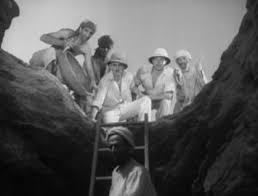
In The Mummy (1932), Egyptian laborers are shown digging under the direction of the British archeologists (pictured to the right). The film depicts them as chanting some sort of Arabic music, which in reality is a bunch of gibberish. Although subtle, this imagery represents a power dynamic that the producer establishes, one where the East is subordinate to the West. This perpetuates an orientalist notions of the Near East, where those native to the land serve only as background roles, allowing Westerners to be the ones in power.
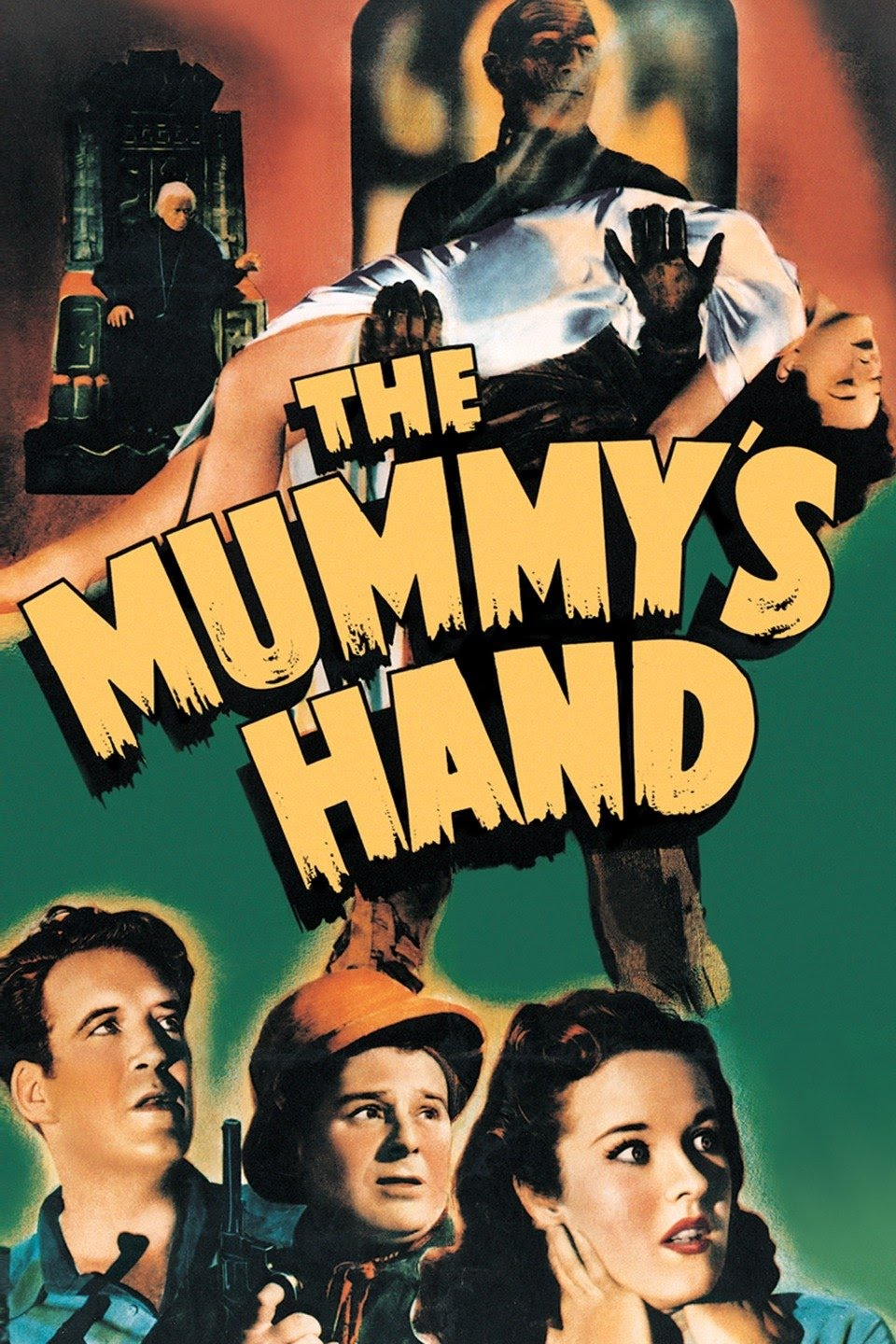
A similar theme is showed in The Mummy’s Hand (1940), where American explorers refuse to dig themselves, hiring a team of Egyptian men instead. These men are repeatedly shown as dumb and scared, running away at signs of danger, refusing to enter tombs with “curses” on them, and warning the Americans about the perils of breaking ancient seals. It’s all meant to elevate the Westerners as brave and competent, while delegating Egyptians to weak and obedient side characters.
The Dirty Arab

Ahhhh the dirty Arab, a Hollywood classic! From the very start of The Mummy’s Hand, the viewer is introduced to the “Arab market” scene. American men walk around in clean suits and ties, while Egyptians are shown with dirty long beards and soiled robes. One Egyptian beggar pleads for “change for the misfortunate,” and is tossed a coin by one of the Western leads. The scene paints Egyptians as impoverished and desperate. These depictions reflect a broader trend of how Arabs were portrayed in 20th-century American media, as Jack Shaheen notes in Reel Bad Arabs, where he describes the “hook-nosed,” “robed,” “dirty” depictions used by the media to signal inferiority and foreignness.
Here’s a few more pictures of the “dirty Arab” so you can really get a feel for the way Hollywood wanted to portray the Egyptians.
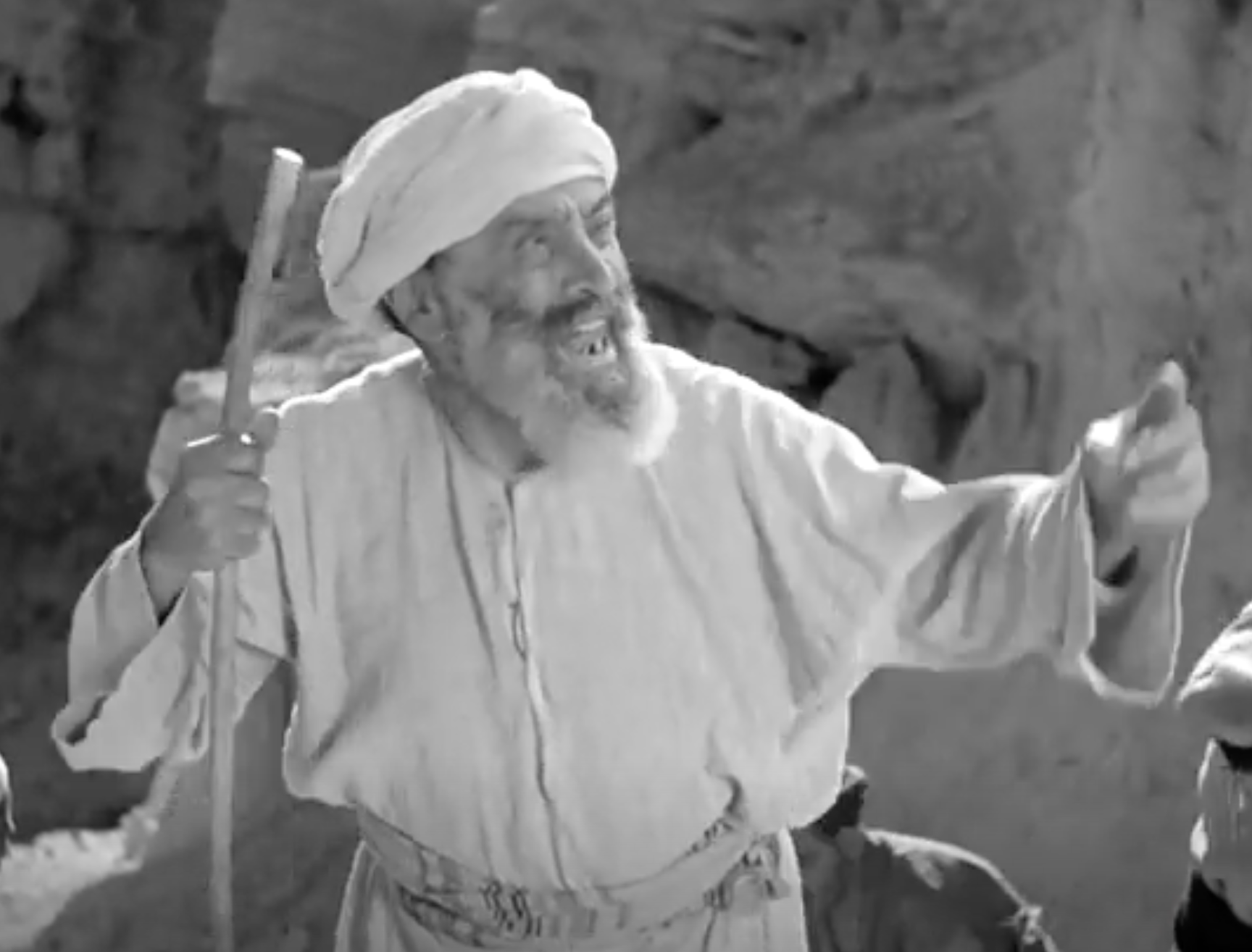
Arab man leading the excavation. (The Mummy, 1932).
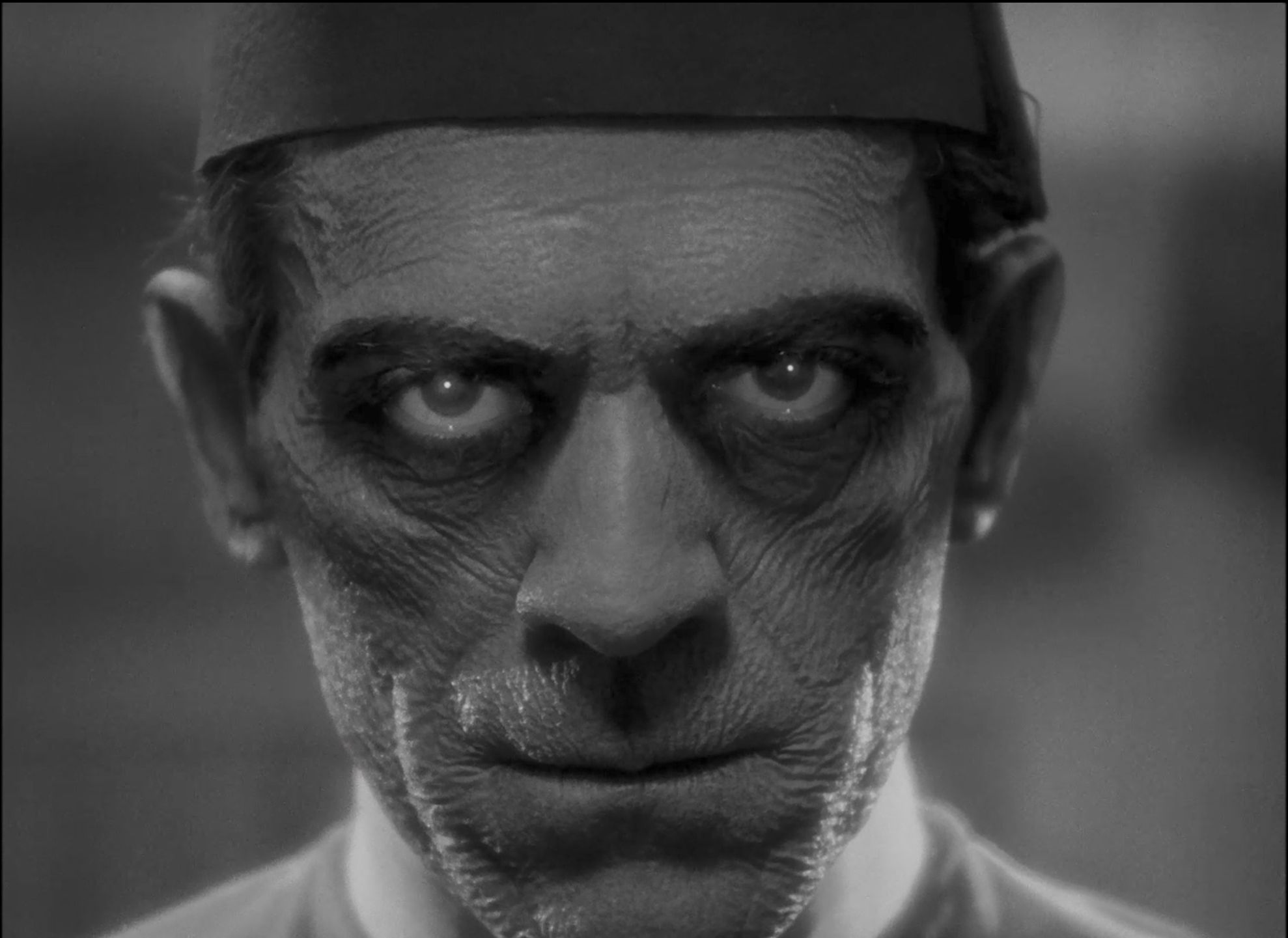
Ardath Bey, depicted as a scary, wrinkled old man. (The Mummy, 1932).
The Killer Mummy
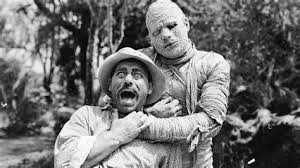
In the 1932 The Mummy, Imhotep’s horror comes from his ability to manipulate the mind of his victims, but he’s not exactly a “killing machine”. The switch to a more violent mummy happens in Universal’s 1940 sequel The Mummy’s Hand, where Kharis, the mummy in this film, doesn’t talk or think, he simply kills who he is ordered too. Compared to the 1932 film where Imhotep kills just 1 museum worker through a menacing glare, Kharis kills his victims by strangling (pictured to the right). Another interesting facts about this film’s mummy depiction is that it set the stereotype of the bandaged, limping mummy we think of today.
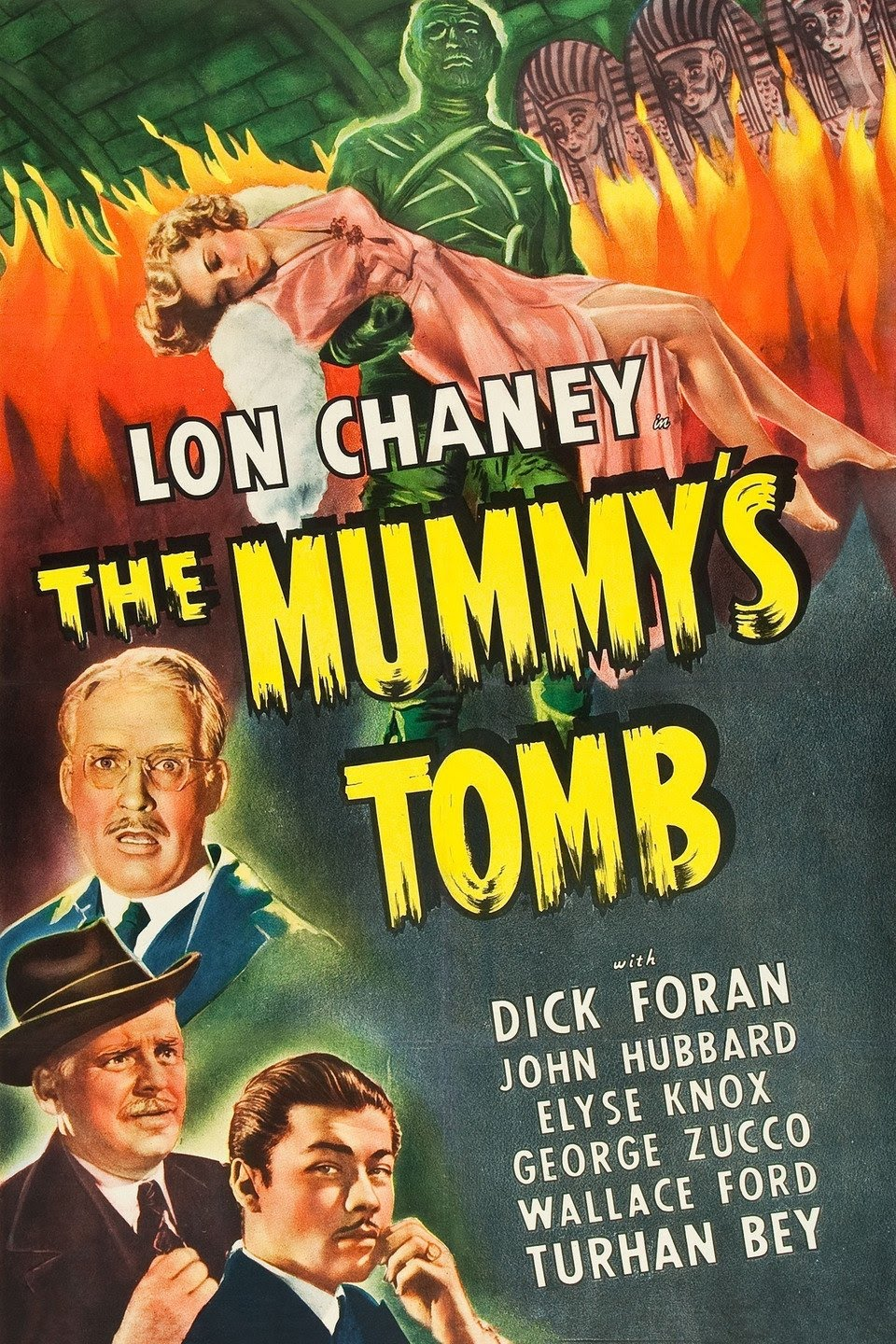
In the third movie in the series, The Mummy’s Tomb, released in 1942, Kharis continues his killing spree, directed by his master, the High Priest of Karnak, to kill everyone apart of the original expedition of Princess Ananka’s Tomb, the tomb that the Western archeologists are after in the film.
The Damsel in Distress

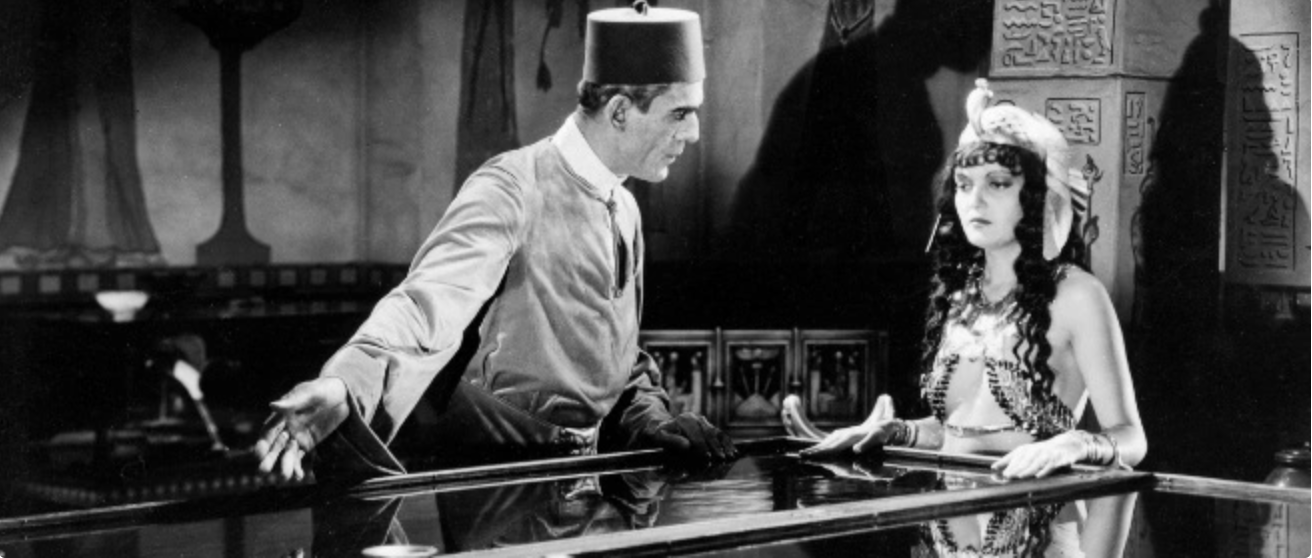
Universal Studios really takes advantage of this theme throughout their mummy films, often making women the victim of the menacing Easterners. Helen in The Mummy (1932) the film’s Western female lead, is depicted as helpless woman who falls victim to the mummy’s control. Helen is put under the spell of Imhotep, who attempts to make her immortal to use her body as the vessel to bring his past wife back. The scene to the left shows the instance where she is to be sacrificed by the dangerous mummy.
In The Mummy’s Hand (1940), Marta, the Western female lead, is abducted by Kharis for a similar cause. Her fear is put on display for the audience through her high-pitched scream as she gets kidnapped from her tent and brought back to the tomb of the mummy and his master. Isobel, the Western female lead in The Mummy’s Tomb, suffers an identical fate.
These recurring portrayals of the terrified, unconscious woman being taken by the monstrous Egyptian mummy send a clear message: Western femininity is fragile and in need of protection from the Eastern man.
The Western Male Heroic
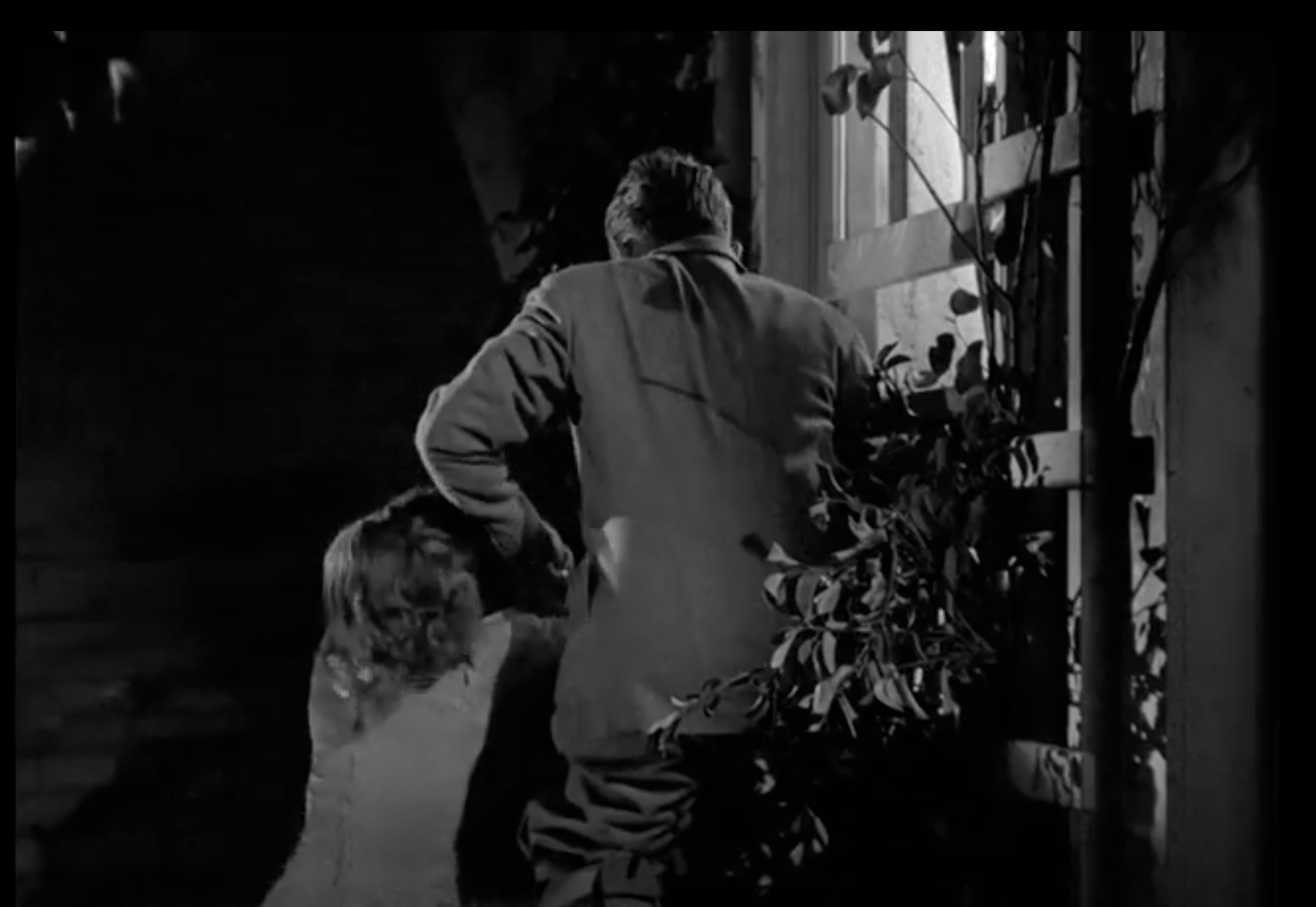
Finally, the ‘Damsel in Distress’ would not be as effective a tactic to capture a Western audience’s emotional attention without its juxtaposition next to the Western hero. Frank in The Mummy, Steve in The Mummy’s Hand, and John in The Mummy’s Tomb all embody the archetypal Western hero. They are intelligent, well-dressed, brave men ready to swoop in at any moment to save the day. A perfect representation of this is in the 1942 film, where John literally lowers his fiancée to safety while flames engulf the building and Kharis burns inside.
These repeated setups; the helpless woman, the violent Arab or Egyptian, and the white Western savior are no accident! They reflect a broader strategy by Hollywood at the time: to alienate the East in ways that made Western actions seem justified. During the 20th century, Western powers were becoming increasingly interested in the Eastern world, especially as resources like oil and petroleum began to promise enormous economic value.
Lets get Weird!
Don’t just take my word for it, make your own interpretations! Below, I’ve included the link the the 3 Universal Studios films that were discussed in this webpage. Also, be sure to check out the rest of the webpages in the “Weird Egypt” cluster to see the other ways in which Egypt has been remembered in weird ways!
1932
1940
1942