Rome in Egypt, Egypt in Rome
Pharaoh
Cleopatra VII
“But Cleopatra dared to gaze upon her fallen kingdom with a calm face and bravely drew to her breast the harsh serpents so that she could drink into her body their black poison; she, more fierce in her deliberate death, strongly scorned to be led in cruel Liburnian ships, as a private citizen in another’s cruel triumph. She died quite unwomanlike.”
Quintus Horatius Flaccus
Cleopatra VII was the last pharaoh of Egypt. She spent her reign trying to preserve Egypt’s autonomy, looking to bring her kingdom on equal footing with Rome.
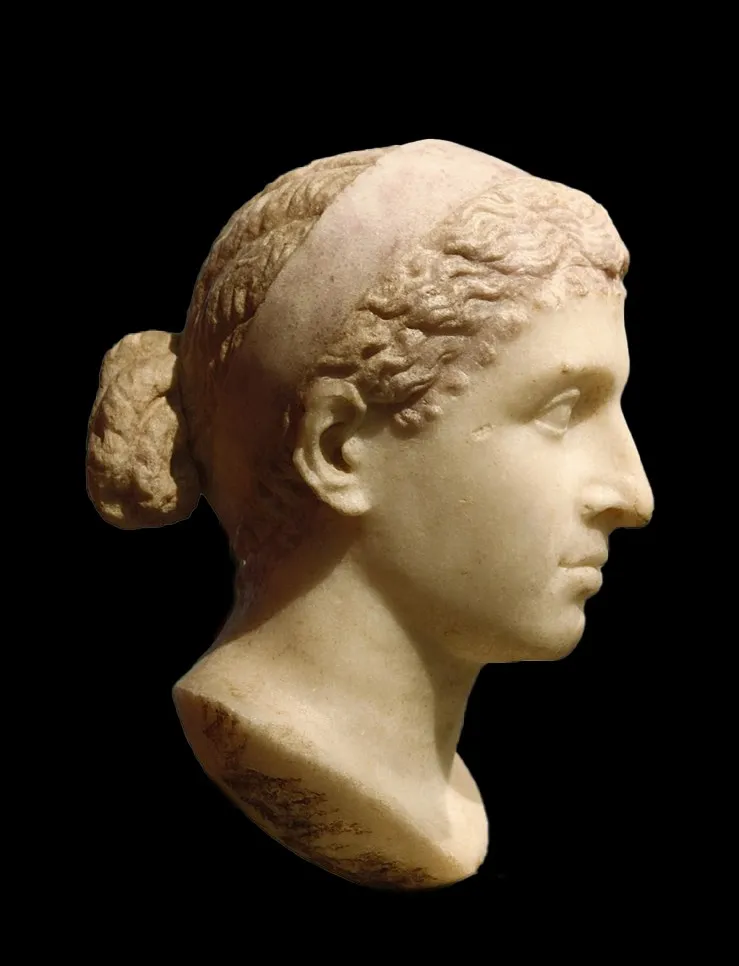
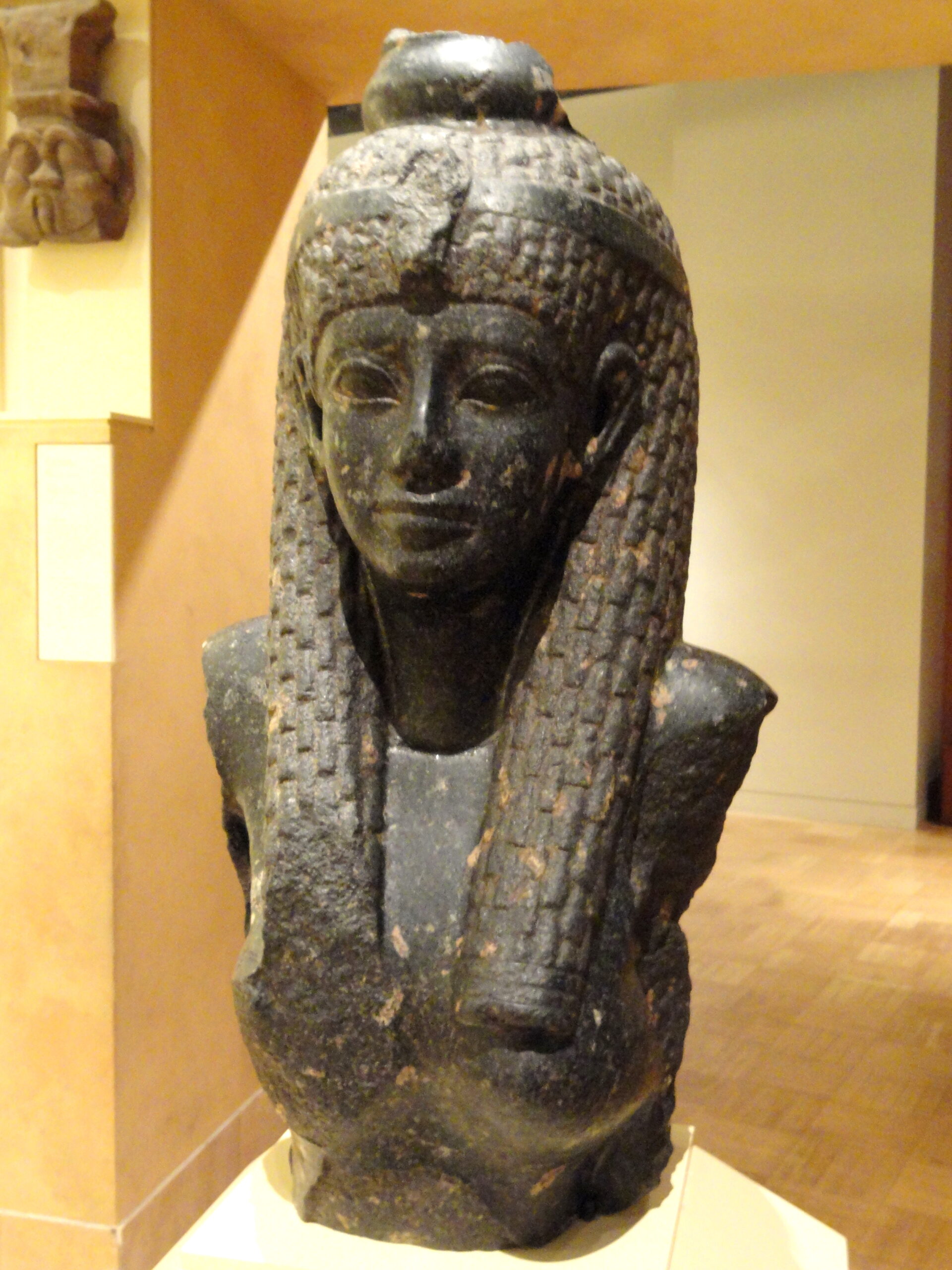
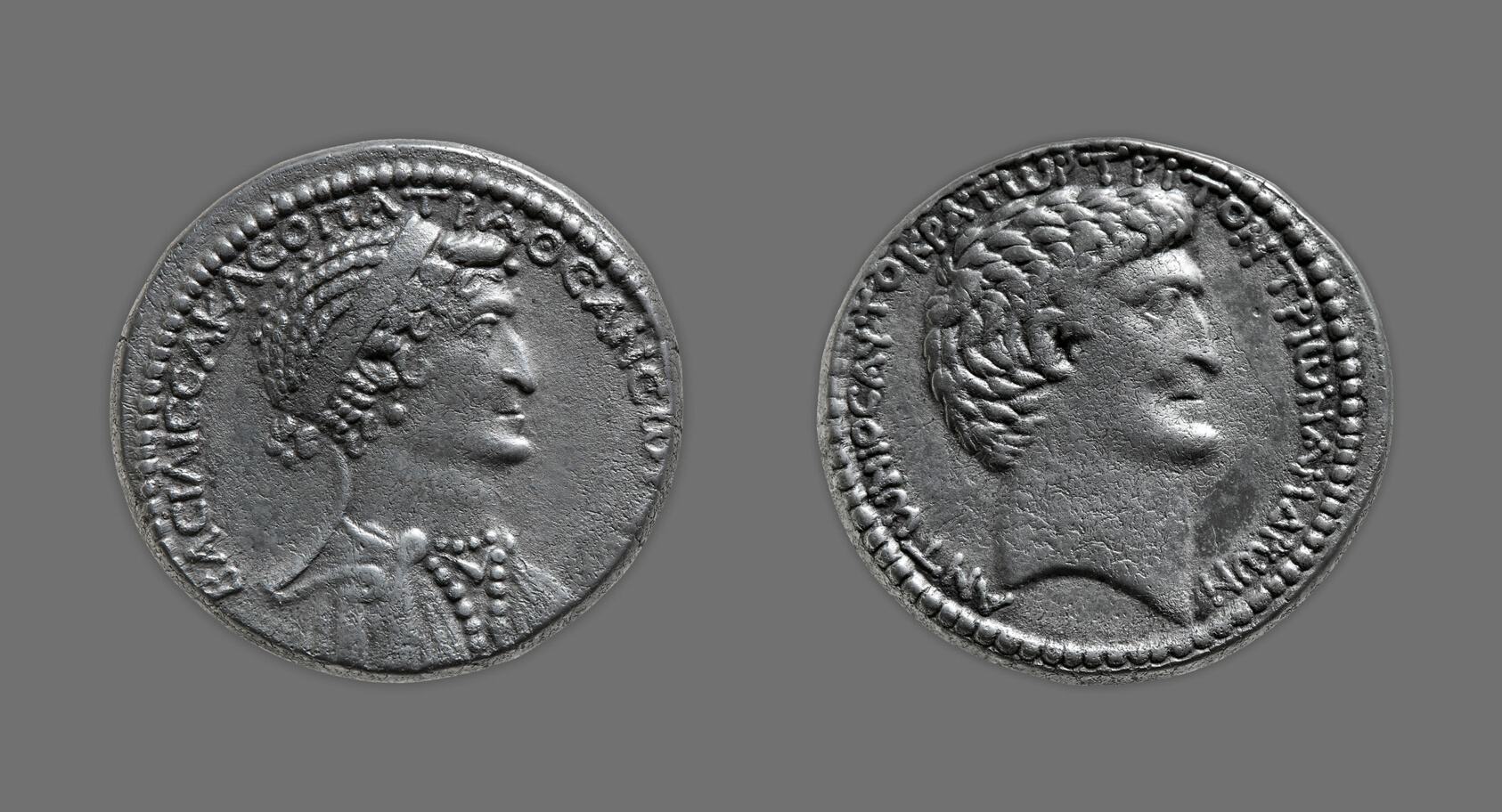
Cleopatra cultivated relationships with Julius Caesar and later Marc Antony. In each case, she attempted to create a dynasty that joined Rome and Egypt.
Cleopatra drew on similarities between Egyptian and Roman religious traditions to legitimize the position she placed herself in within Roman politics, and within broader politics of the Eastern Mediterranean.
Cleopatra, with Julius Caesar, styled herself as Isis and Venus. She also hoped that her son with Caesar, Caesarion, would become the heir of a Julio-Ptolemaic dynasty. After the assassination of Caesar, she repeated this strategy with Marc Antony, who ruled the eastern provinces of the Roman Republic.
—Augustan Architecture—
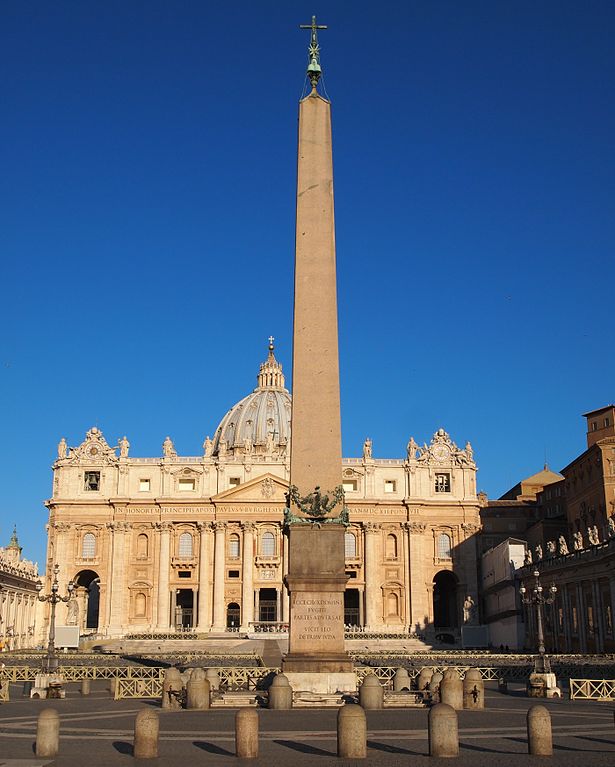
Octavian, who was named Caesar Augustus following his victory over Cleopatra and Marc Antony, incorporated Egyptian culture into his vision of the new Roman Empire.
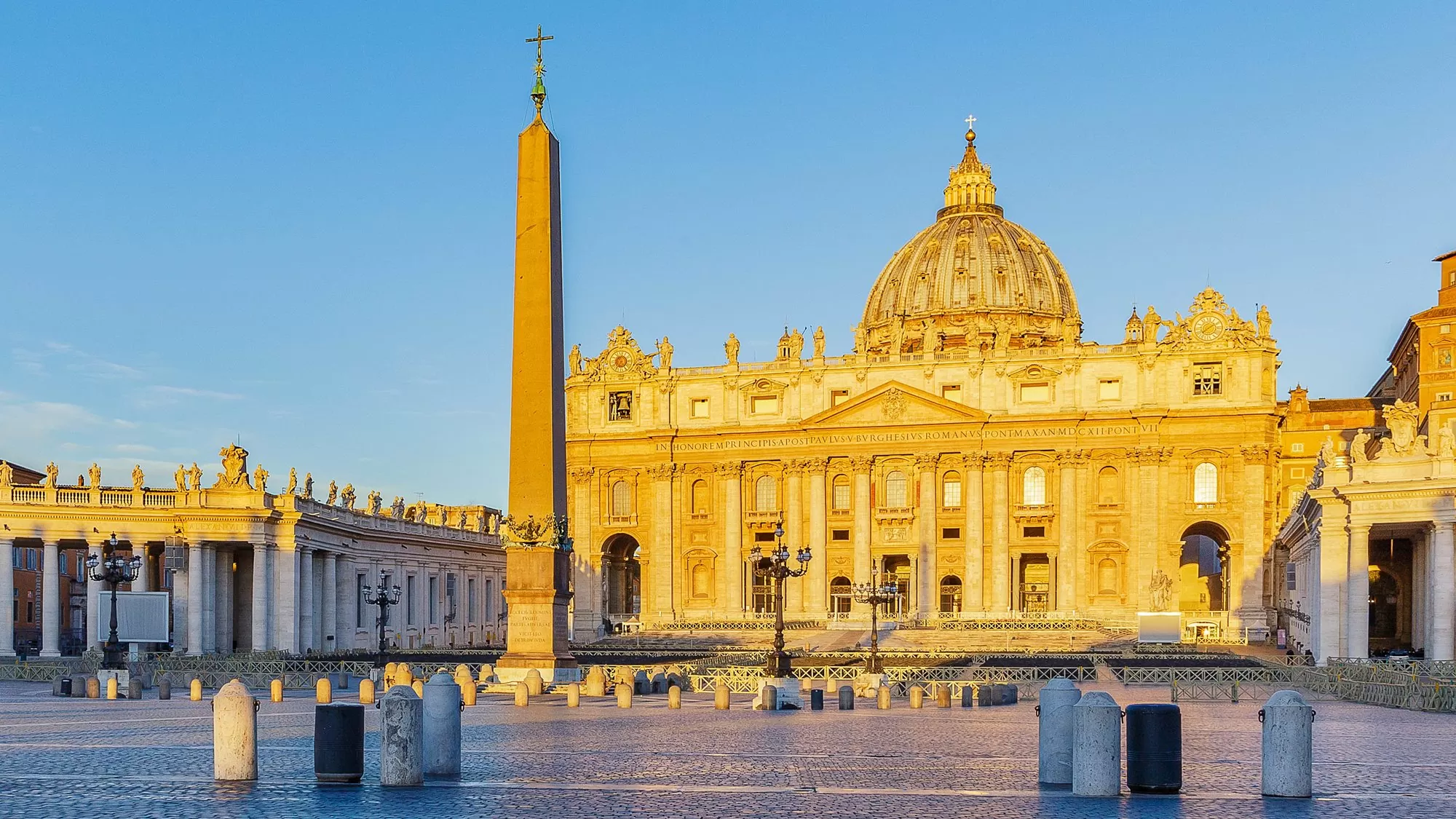
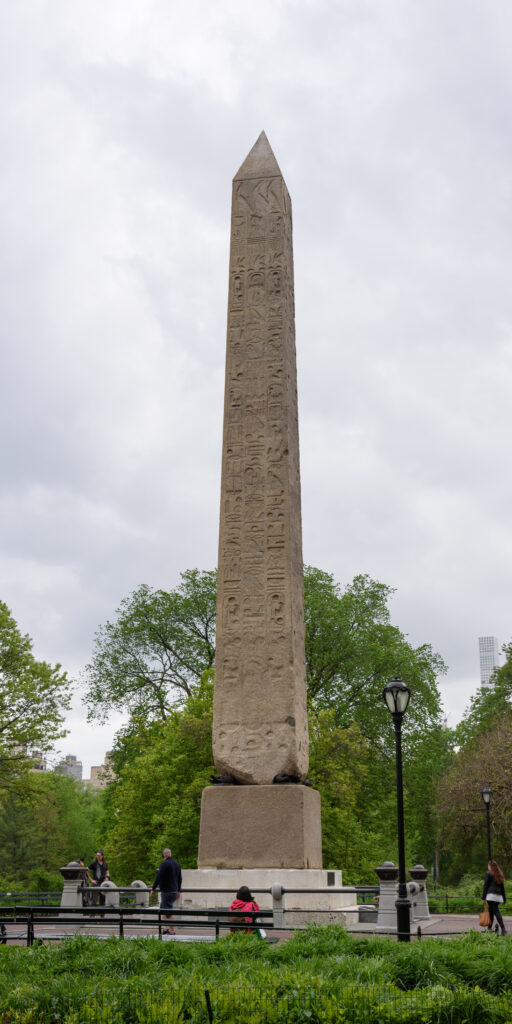
Obelisks were transported from Egypt to Rome to help beautify the city and to glorify Augustus. In addition to their decorative and propagandistic uses, the Romans used an obelisk in a colossal sundial, demonstrating a blend of Egyptian architecture with Roman science.
Obelisks remain a fixture in the Western mind’s eye, and several ancient Egyptian and Roman obelisks not stand in cities like New York, London, and Paris.
The Hellenistic World
Multicultural Gods and the Cult of Isis
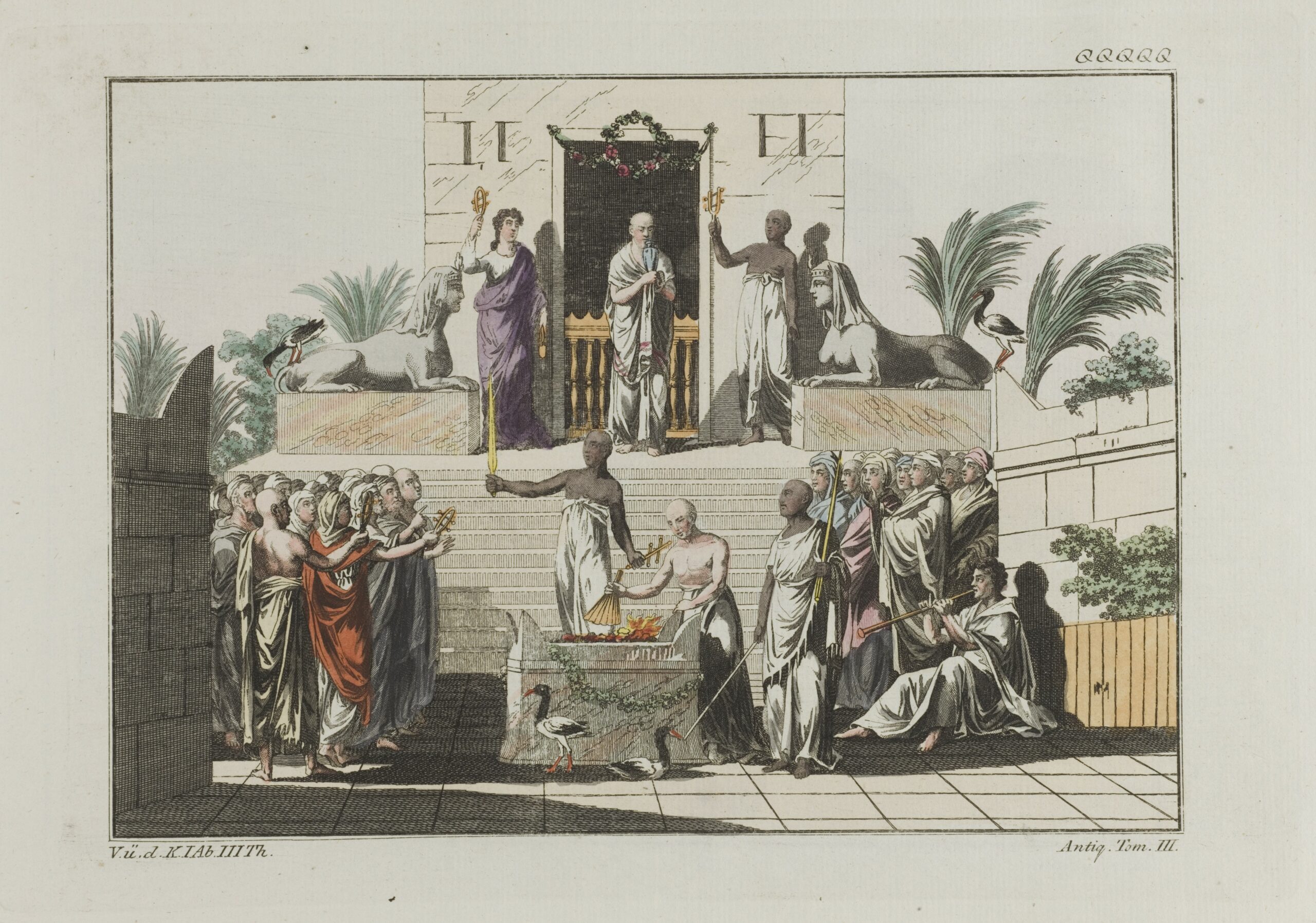
Cleopatra and Augustus were able to capitalize on the connections between Rome and Egypt due to the historical entanglement of both cultures within the Hellenistic world.
Isis was a goddess seen as universal throughout the Mediterranean, and she was associated with Venus and Aphrodite long before Cleopatra fashioned her image around the goddess. Dionysus, who Marc Antony presented himself as, also originated in the culture of Egyptians and Phoenicians. Serapis was another Egyptian god who grew popular around the Mediterranean.
In addition, Egypt was not thought of as fully separate from cultures like Greece and Rome. After Alexander the Great conquered much of the Eastern Mediterranean region, Alexandria became the center of the Hellenistic world. The city was the center of a network of trade and cultural exchange, made up of coastal and island cities, and connected by soldiers and merchants who sailed around the area.
By the time Augustus was the emperor of Rome, the city was home to the popular cult of Isis, and to a lesser extent, the cult of Serapis as well. Followers of Isis worshipped and lived in temples called Isea (singular: Iseum). The fact that the Isis cult had enough followers to require such infrastructure, and the fact that said infrastructure was constructed at all, speaks to the widespread acceptance of aspects of Egyptian culture in Rome.
