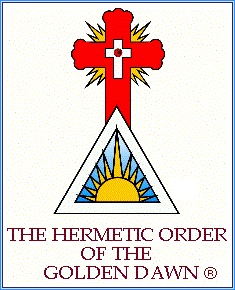
The Hermetic Order of the Golden Dawn
Become a member of the Order today!
1800’s
The modern Western fascination with Egyptian magic began during British occupation in 1882, when archaeological discoveries brought Egypt’s ancient past into public view. While temples and mummies captured headlines, Egyptian religious philosophy quietly influenced the rise of secret societies. One key example is the Hermetic Order of the Golden Dawn (H.O.G.D), founded in 1888 in London. Drawing on Egyptian texts like the Book of the Dead, the Order incorporated rituals such as the Bornless Invocation to pursue esoteric knowledge. By the late 19th century, Egypt had become a symbolic wellspring for occult revivalism in Europe, blending mysticism and ritual into new spiritual movements that survive for centuries.
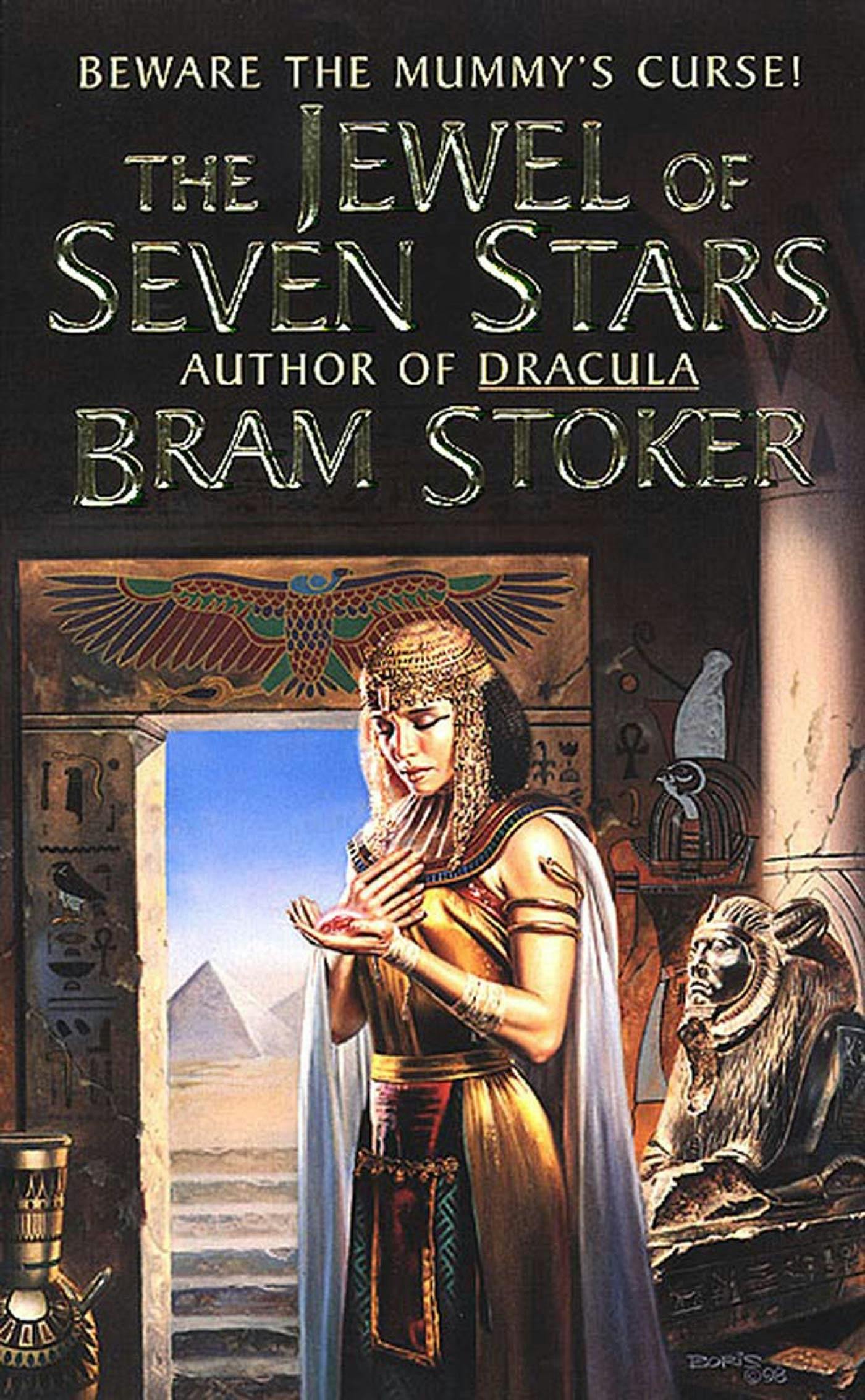
Bram Stoker’s The Jewel of Seven Stars
1900’s
In the early 20th century, Western interest in Egypt and the occult shifted from secret societies to public fascination and creative interpretation. Literature played a key role in this transition, with authors like Bram Stoker and H.P. Lovecraft weaving Egyptian mysticism into popular fiction. Stoker’s 1903 novel The Jewel of Seven Stars follows an Egyptologist’s attempt to resurrect an ancient queen, blending gothic horror with detailed references to real artifacts and scholars. His work reflected a growing cultural effort to grapple with Egypt’s spiritual legacy through the lens of modern anxieties and imagination. As British occupation continued and new discoveries emerged, Egypt became both a subject of scholarly curiosity and a source of supernatural intrigue in popular imagination that only increased as time went on.
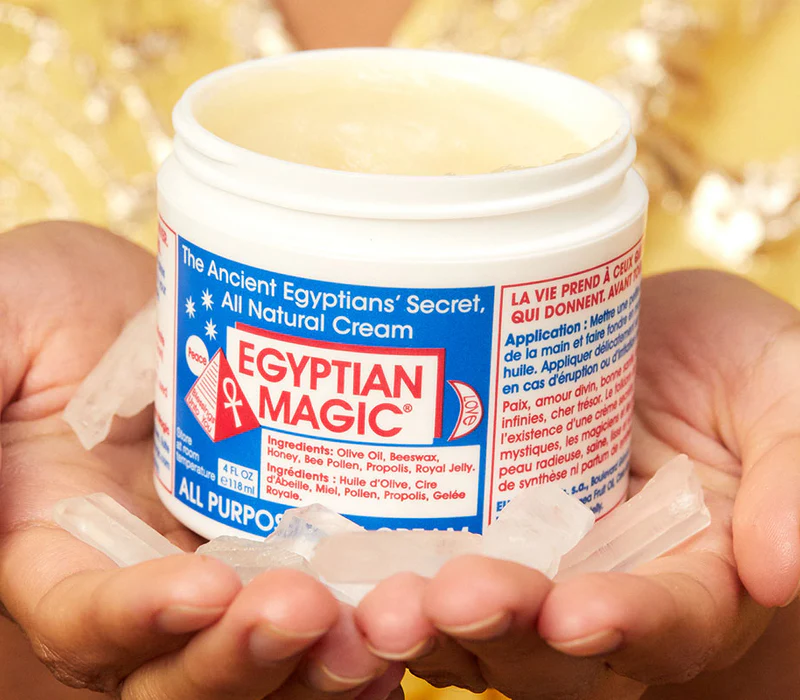
“Based on the ancient Egyptian formula that Cleopatra used to keep her skin glowing”
2000’s
In the 21st century, Egypt’s occult legacy has been reshaped by consumer culture, with commodification overtaking mystery as the dominant mode of engagement. Once symbolized by esoteric rituals, Egyptian magic now surfaces in unexpected places, like skincare. Egyptian Magic All-Purpose Skin Cream, for example, markets itself as using the same formula Cleopatra once used, despite having little real connection to Egypt. As Egyptology became more accessible and the internet widened global reach, ancient symbols became marketable trends. Today, the occult lives on not in sacred rites, but largely in commercial products promising transformation in a jar.
The Evolution
from King Tut’s Tomb (1922)
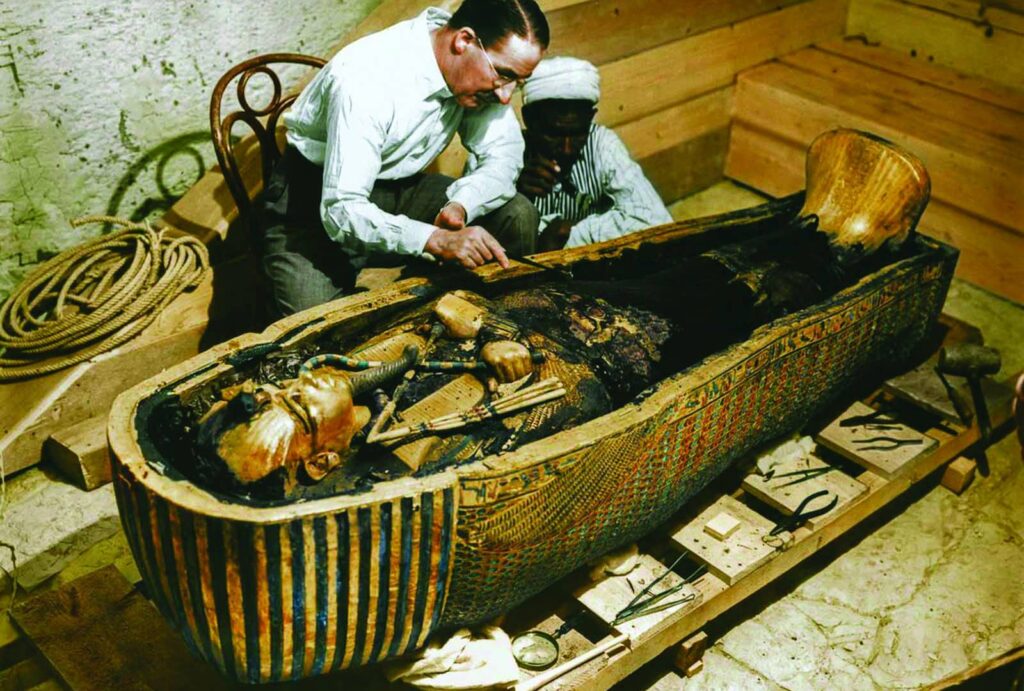
From archaeological breakthroughs to commercial joy rides, the Western relationship with Egyptian magic has shifted dramatically over time. What began in the 19th century as a sincere quest for ancient spiritual insight soon expanded beyond scholarly inquiry. Egypt’s mystical traditions captivated occultists, intellectuals, and adventurers alike, who saw in its hieroglyphs, tombs, and rituals a path to esoteric knowledge and self-discovery.
As time went on, however, this initial reverence gave way to a broader cultural fascination that blended mystery with entertainment. The rise of popular literature, films, and games turned Egyptian magic into a spectacle , but increasingly removed from its original context. This fascination soon evolved further into reinterpretation, where ancient Egyptian elements were refashioned to suit Western tastes, philosophies, and even pseudoscientific theories.
To Universal’s marquee ride,
Revenge of the Mummy (2021)
Eventually, the mystical appeal of Egypt became a marketing tool. In today’s consumer-driven society, Egyptian magic is often commodified. However, this trend also keeps Egyptian ideas alive in the public imagination. Each era, in its own way, has projected its hopes, fears, and fantasies onto Egypt’s magical past.
Whether honored as sacred knowledge or reimagined through fiction, the legacy of Egyptian magic continues to adapt and endure. It remains a powerful symbol not just of ancient mysticism, but of the ever-changing Western desire to connect with the unknown. While consumer culture often dilutes the substance of Egyptian occultism, it also ensures its continued presence in the modern imagination.

Want To Learn More?!
