• Skip to main content
  • Skip to footer

Deliberative Citizenship Initiative

Building Democracy One Conversation at a Time

  • The Initiative
    • Programs
      • Deliberation Across the Curriculum
      • Deliberation on Campus
      • Deliberation in the Community
      • Research on Deliberation
    • Motivations
      • Why Deliberative Citizenship?
      • Why Davidson? Why Now?
    • Who’s Involved?
      • DCI Fellows Cohorts
        • 2025-2026 Fellows
        • 2024-2025 Fellows
        • 2023-2024 Fellows
        • 2022-2023 Fellows
        • 2021-2022 Fellows
        • 2020-2021 Fellows
      • DeeP Collaborative Cohorts
        • 2024-2025 DeeP Collaborative Faculty
        • 2023-2024 DeeP Collaborative Faculty
      • Advisory Council
    • History
      • What Sparked the Initiative?
    • Key Deliberative Dispositions
    • Frequently Asked Questions (FAQ)
    • Annual Report
  • Get Involved!
    • Participate in a Forum
    • Join a D Team
    • Become a Fellow
    • Take Courses
    • Get Training
    • Come to Guest Lectures
  • Events
    • Upcoming Events
      • 250th Anniversary Deliberative Forum Series on American Values
    • Past Events
  • Connections
    • The Deliberative Citizen: The DCI’s Monthly Newsletter
    • Efforts on Campus
    • Efforts in the Community
    • Efforts Elsewhere
    • Readings and Resources
      • DCI-Published Guides
      • DCI Guide to One-on-One Conversations
      • How to Disagree
      • Demonstration of Facilitation Styles
      • Deliberative Pedagogy Mini-Course
    • How We Can Help: DCI’s LET’S DELIBERATE! Partnership Opportunities
    • DCI in the News
  • DCI Blog Posts
    • Recent Blog Posts
    • All Blog Posts

The DCI Blog

Ping Pong and Deliberation: Join us for our Semester Kickoff Party!

January 17, 2025 by Graham Bullock

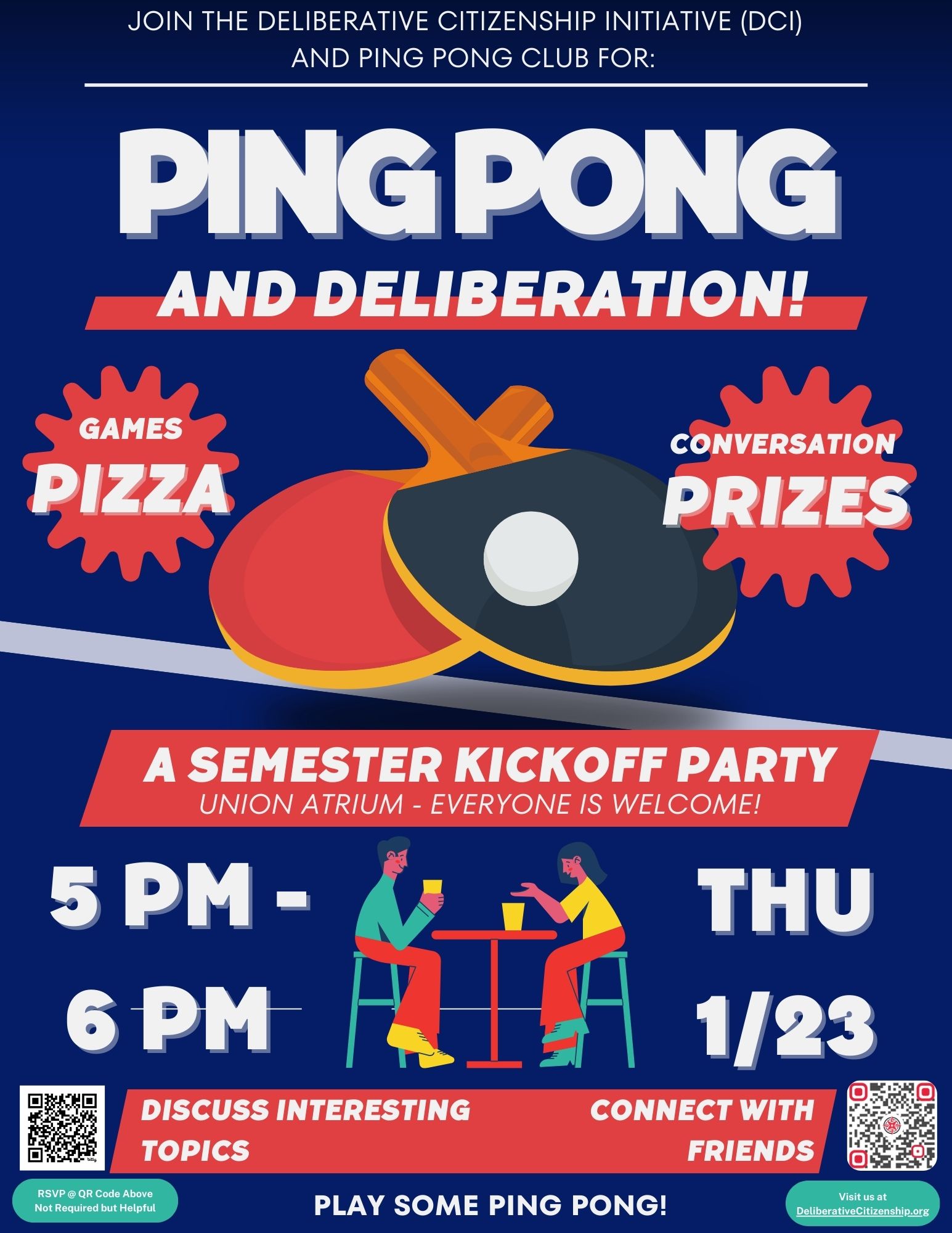
flyer for spring kickoff party.

On Thursday, January 23rd from 5-7 pm, the DCI and the Davidson College Ping Pong Club are co-hosting a Spring 2025 Kickoff Party! We will be in the Alvarez-Brown Atrium at the Alvarez College Union, and we welcome you to join us for an evening of connection, deliberation, and fun! We’ll have pizza, prizes, and some engaging deliberative activities in which you’ll be able to engage with members of our Davidson community on both local and national topics of interest. It’s a great way to kick off the new year and connect with others who are interested in building community and improving our public discourse.

We will also have some ping pong tables setup so you can play a game in between interesting conversations – and watch others display their skills while you chat with new and old friends.

This event is intended to bring together those who have already been involved with the DCI in some way with people who may not have had an opportunity yet to engage in our programming or would like to learn more about us. If you completed our Deliberation Facilitator Training in the past, have taken part in any of our Deliberative Forums or D Teams, we would love for you to join us and help show others what the DCI is all about.

If you’ve never been to a DCI event or want to participate more but don’t know how to get involved, this is a perfect opportunity to learn more from the DCI community. Students, staff, faculty, community members, alums and family members are all welcome! We’ll share a bit about our plans for the upcoming semester – we’ve got some great events and activities on the calendar for 2025!

We hope you’ll decide to join us for our Kickoff Party! Feel free to drop in any time, bring a friend, and enjoy some free pizza! Registration is not required but an RSVP is appreciated for our planning purposes.
Filed Under: Announcements

Join our Winter Deliberative Forum on Religion in Public Life

January 11, 2025 by Graham Bullock

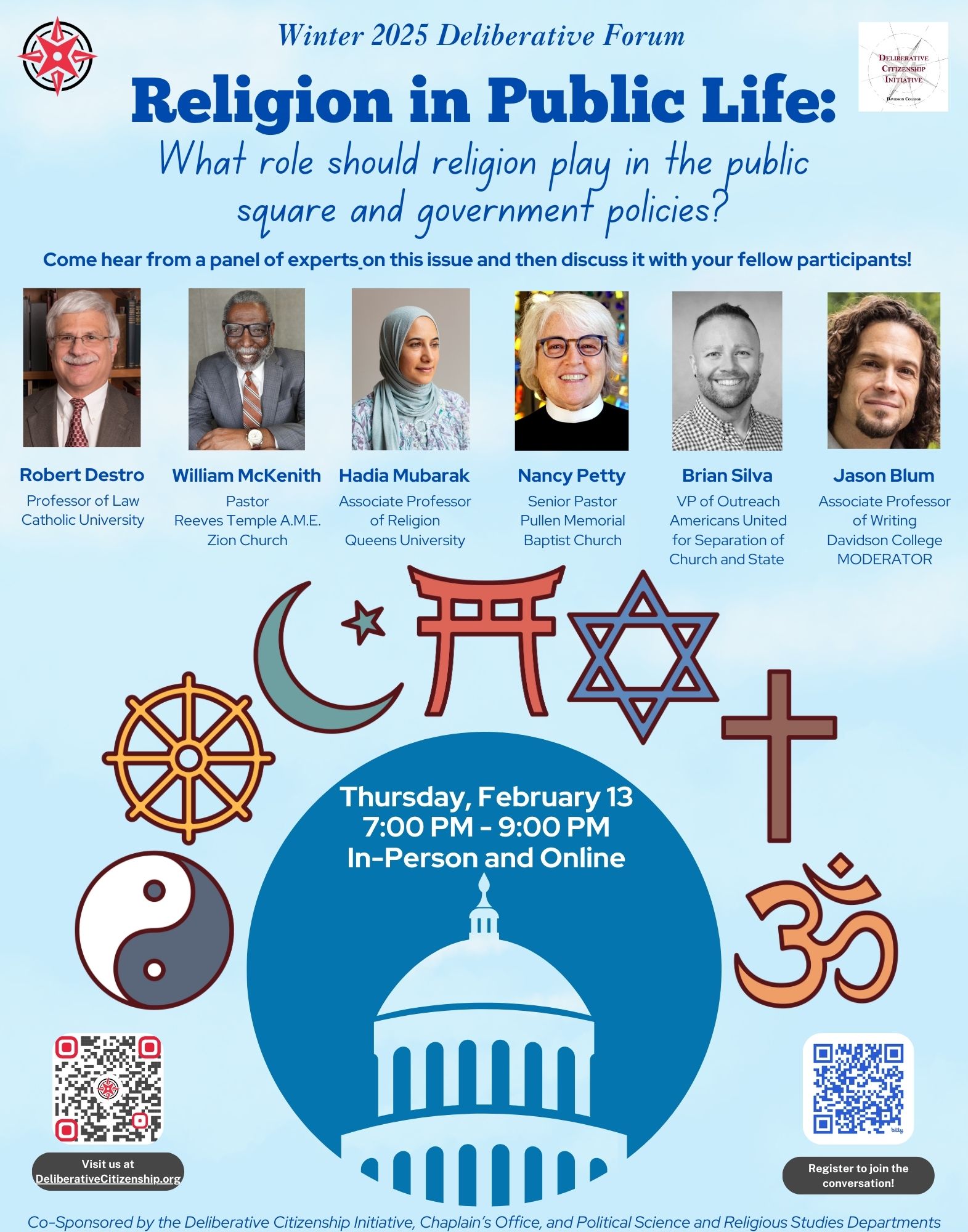
Religion in public life forum flyer.

Our Winter Deliberative Forum on Thursday, February 13 from 7 to 9 p.m. (both online and in the Lilly Gallery) will focus on Religion in Public Life: What role should religion play in the public square and government policies? Click here to register today!

Religion has been a powerful force shaping societies, values, and identities throughout history. In modern democracies, the intersection of religion and public life raises important questions: How do we balance freedom of religion with the principles of secular governance? To what extent should religious beliefs influence public policy? And how can diverse faiths and perspectives coexist harmoniously in a shared public square?

Davidson College’s Deliberative Citizenship Initiative, Chaplain’s Office, and Political Science Department invite you to explore these questions at this upcoming Winter Deliberative Forum, which will enable participants to actively engage with this important issue, first by hearing from a panel of experts and advocates with diverse perspectives on the topic. Then participants will actively deliberating with one another in facilitated small group discussions (either in person or virtually) about these questions. This is a fantastic opportunity to learn from experts, listen to the viewpoints of others, and share your own ideas about this challenging and complex topic.

Our panel features the following experts who hold a range of perspectives on the topic of the forum. They include: 

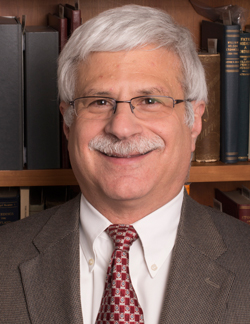
Photo of Robert Destro

Robert Destro is Professor of Law at The Catholic University of America’s Columbus School of Law in Washington, D.C. He has served as the school’s Interim Dean and as Director of the University’s Institute for Policy Research and Catholic Studies. He is the co-author of Religious Liberty in a Pluralistic Society (Carolina Academic Press, 2002) and co-editor of Religion in Public Life (Vol. II): Religion and Political Structures: From Fundamentalism to Public Service (Council for Research in Values & Philosophy, 2005), and author of numerous other scholarly publications. Destro also served as the Assistant Secretary of State for Democracy, Human Rights, and Labor in the Trump Administration as well as a Commissioner on the United States Commission on Civil Rights in the Reagan Administration. His work included efforts to ensure that supply chains do not include goods or services produced by slave or forced labor. He also served as General Counsel to the Catholic League for Religious and Civil Rights, and he has been an advisor to religious organizations from a variety of religious traditions. Destro received his BA from Miami University in Oxford, Ohio, and his JD from the University of California, Berkeley. 

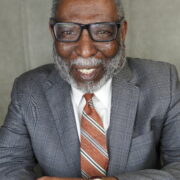
Photo of Bill McKenith

William McKenith is a pastor, educator, and author. He has served as the pastor of Reeves Temple African Methodist Episcopal Zion Church (A.M.E. Zion Church) in Davidson, NC, since June 2023. McKenith has pastored A.M.E. Zion churches for 28 years in both New Jersey and North Carolina, and the 48th Session of the General Conference of The A. M. E. Zion Church elected McKenith as a Justice of the Judicial Council.  He has also served as the A.M.E. Zion Church’s Archivist, Editor of its Quarterly Review, and Secretary of its Historical Society. McKenith has also served as Associate Dean of Students and Associate Professor of Ministerial Studies at Hood Theological Seminary, and recently co-authored the book, The Contemporary History of The African Methodist Episcopal Zion Church: The Freedom Church, 1972-2016 (A.M.E. Zion Publishing House, 2024), along with numerous other scholarly publications. McKenith has a BS degree in Business Administration from Norfolk State University; a Master of Divinity degree from New York Theological Seminary; and a Master of Philosophy degree and PhD from Casperson School of Graduate Studies at Drew University.

Photo of Hadia Mubarak

Hadia Mubarak is an Associate Professor of Religion at Queens University of Charlotte, and has previously served at Guilford College, New York University-Abu Dhabi, UNC-Charlotte, Davidson College, and Georgetown University. She is the author of Rebellious Wives, Neglectful Husbands: Controversies in Modern Qurʾanic Commentaries (Oxford University Press, 2022),“Crossroads,” I Speak for Myself: American Women on Being Muslim (White Cloud Press, 2011), and numerous articles on women and the Qur’an. She currently serves as a scholar-in-residence with the Muslim Community Center of Charlotte, a Board of Advisors member with the Carleton Center for the Study of Islam, and a scholar with the Institute for Social Policy and Understanding. Mubarak was the first female to be elected president of the national Muslim Students Association. As a field researcher, Mubarak has conducted on-site interviews and surveys with a range of Muslim scholars, government officials, activists, students, and journalists in Qatar, Jordan, Syria, Turkey, Pakistan and India. Mubarak received her master’s degree in Contemporary Arab Studies from Georgetown University, her BA in International Affairs and English from Florida State University, and her Ph.D. in Islamic Studies from Georgetown University.

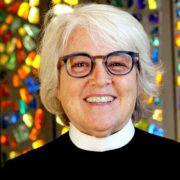
photo of Nancy Petty

Nancy Petty has served as the senior pastor at Pullen Memorial Baptist Church in Raleigh, NC since 2002. Previously she served as Pullen’s Minister of Christian Education and Associate Pastor. In her role as Pullen’s senior pastor, Petty is a community faith leader who speaks out on issues of social justice, interreligious dialogue, and inclusion of the LGBTQIA+ community. She is chair of the Board for Repairers of the Breach, an organization started by the Reverend William Barber, and she has contributed to several books written on the North Carolina Moral Monday movement that she helped lead with Reverend Barber. She has received numerous awards for her work, including the 2014 North Carolina NAACP Minister of the Year Award; 2015 Human Relations Commission City of Raleigh Award; 2016 Champions for Children Award, and the 2018 Neighbor to Neighbor Award. In 2019, The Center for American Progress listed her as one of nine ministers to watch in our nation in 2019. Petty received her BA in religion/religious studies from Gardner-Webb University, her Masters of Divinity from Southeastern Baptist Theological Seminary, and her Doctorate of Ministry from McCormick Theological Seminary.

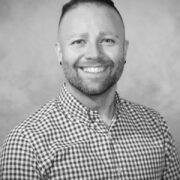
Photo of Brian Silva

Brian Silva is Vice President of Outreach at Americans United for Separation of Church and State. Founded in 1947, Americans United is a not-for-profit organization dedicated to ensuring that religion does not dictate public policy and that discrimination is not justified under the guise of religion. It is focused on protecting the American principle of freedom of religion — including the right to believe or not believe — for all. Silva spearheads efforts to organize AU members at the grassroots level to support church-state separation, including the Summit for Religious Freedom. Silva has almost three decades of organizing experience rooted in creating change through education and advocacy. After working as a high school history teacher and mentor, Brian has served as the Executive Director of Marriage Equality USA and as the Executive Director of the National Equality Action Team (NEAT), which he also founded. He also has a background in emergency management and disaster response, having worked at organizations such as the American Red Cross and Kenyon Worldwide Disaster Management. Silva earned his MPA from Metropolitan College of New York and his BA in Government from the University of Redlands.

Blum photo.

The panel will be moderated by Jason Blum, Associate Professor of the Practice of Writing at Davidson College. Jason completed his doctoral studies in Religious Studies at the University of Pennsylvania and has taught courses and is working on a book on religion in the public sphere. His research focuses on the intersections of religion, science, and ethics, and his work has appeared in The Journal of the American Academy of Religion, Method and Theory in the Study of Religion, and other scholarly publications.

The event is free but registration is required. Click here to register. We request that all registrants plan to attend both the panel and the small group discussions, which are designed to complement each other. Participants may join both in-person and online. Spaces are limited due to the number of trained DCI facilitators we have available to moderate the small group discussions. The Zoom link will be sent to online participants after they register.

Following the panel discussion, both online and in-person forum attendees will have the opportunity to deliberate about the topic among themselves, guided by the DCI’s trained facilitators.

Find out more about the event, learn about our panelists’ backgrounds and sign up to attend the forum by February 11 at this link. Virtual and in-person registration options are available. We hope you can join us!

Filed Under: Announcements, Events

Spring 2025 D Teams To Take on Public Health Issues

January 10, 2025 by Graham Bullock

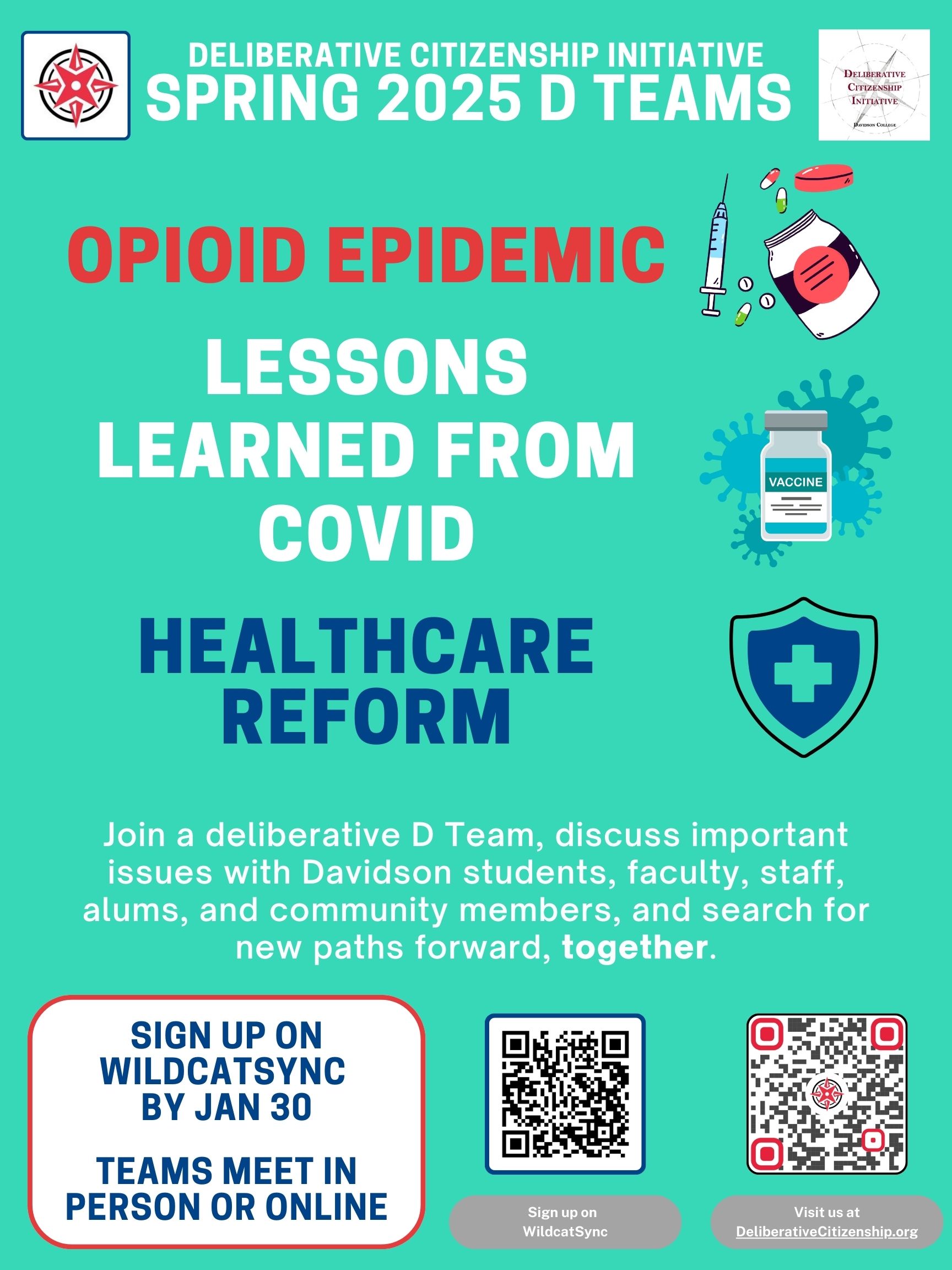
D Team Poster

The materials were excellent. Reading them ahead of time helped me understand positions that differed from my own, and I recognized that issues were often more complex than I had anticipated. The discussion format of sharing the strongest and weakest arguments for both sides encouraged reflection. Participants usually chose different arguments which deepened my understanding of the issues and respect for opinions different from my own.”

This spring the DCI will be hosting its tenth round of D Teams! The focus of the teams’ discussions will be on three public health issues — the opioid epidemic, lessons learned from the pandemic, and healthcare reform. Read more below to learn more — Registration for Spring 2025 D Teams is open until January 30, 2025 (Know you want to sign up? Register here.).

What are D Teams?

D Teams are small teams of about 6-10 people that meet three times per semester in order to discuss contentious topics in productive ways, and to pave the way toward catalyzing creative solutions to difficult problems in the public sphere. D Teams may meet in person or virtually.

A few things make the D Team experience unique compared to other discussions about controversial topics. First, D Team discussions are facilitated by a DCI Fellow who has been trained in the kind of facilitation that leads to good discussions. Second, D Team participants get access to deliberation guides designed specifically for each topic that they discuss. And third, D Teams provide an opportunity to connect meaningfully with others beyond one’s immediate social or professional circle. You can learn more about the background and structure of this program here.

It was my first DCI experience, and I was not sure quite what to expect. I was one of 2 non-students on our team, and part of the draw to participate was to hear and learn from current students how they think and feel about such a difficult, complex, politically-charged topic. It was an enlightening and encouraging experience; I came away more hopeful, and impressed by the DCI initiative.

—D Team Participant

What are the topics of discussion for Spring 2025?

For our Spring 2025 D Teams, we are planning to focus on several public health issues. The overarching question is how should communities and societies best think about how to protect and promote the public’s health while also balancing other social values.

Our plan is to start the first session with on one of the most pressing public health issues facing societies around the world — the opioid epidemic. Over 80,000 Americans died from opioid-related causes in 2023, over 60 million struggle with opioid addiction worldwide. What more should be done — by governments, public health agencies, corporations, or individuals — to reduce the harmful effects of opioid addiction, if anything?

Teams in their second session will move to a discussion of pandemic preparedness and what we have learned from our collective response to COVID. As we think about the effectiveness of that response — from vaccine development to lockdown orders to masking requirements — how should we prepare for the next pandemic? What should we do differently or the same in the future?

We will end the Spring D Team series with a discussion about healthcare systems more broadly. Thinking about healthcare in the United States as well as in other countries, what changes, if any, are needed to our healthcare system that will enable it to more effectively, efficiently, and equitably prevent and treat health problems? 

Why did we choose these topics?

The DCI solicited feedback on potential topics that were suggested by the DCI Fellows and former D Team participants via a survey that was shared within the Davidson community and the DCI’s online community — our blog and newsletter subscribers and Instagram, Facebook, LinkedIn and X followers. These topics were among the top choices that our survey respondents were interested in discussing, and they are all timely in their own ways. Finally, although the topics are substantively different, they all present an opportunity to engage with pressing public debates that are ongoing in the United States and around the world.

I was very grateful to have this kind of opportunity to have these conversations in a context where I knew I shared something with all other participants even though we are in many different stages and paths in life.

—D Team Participant

How do I sign up?

Registration for Spring 2025 D Teams is open until January 30, 2025. Sign up today and help us build a better democracy, one conversation at a time.

Filed Under: Events

Cultivating Conversations: Enriching Preservice Teachers through Deliberative Practices

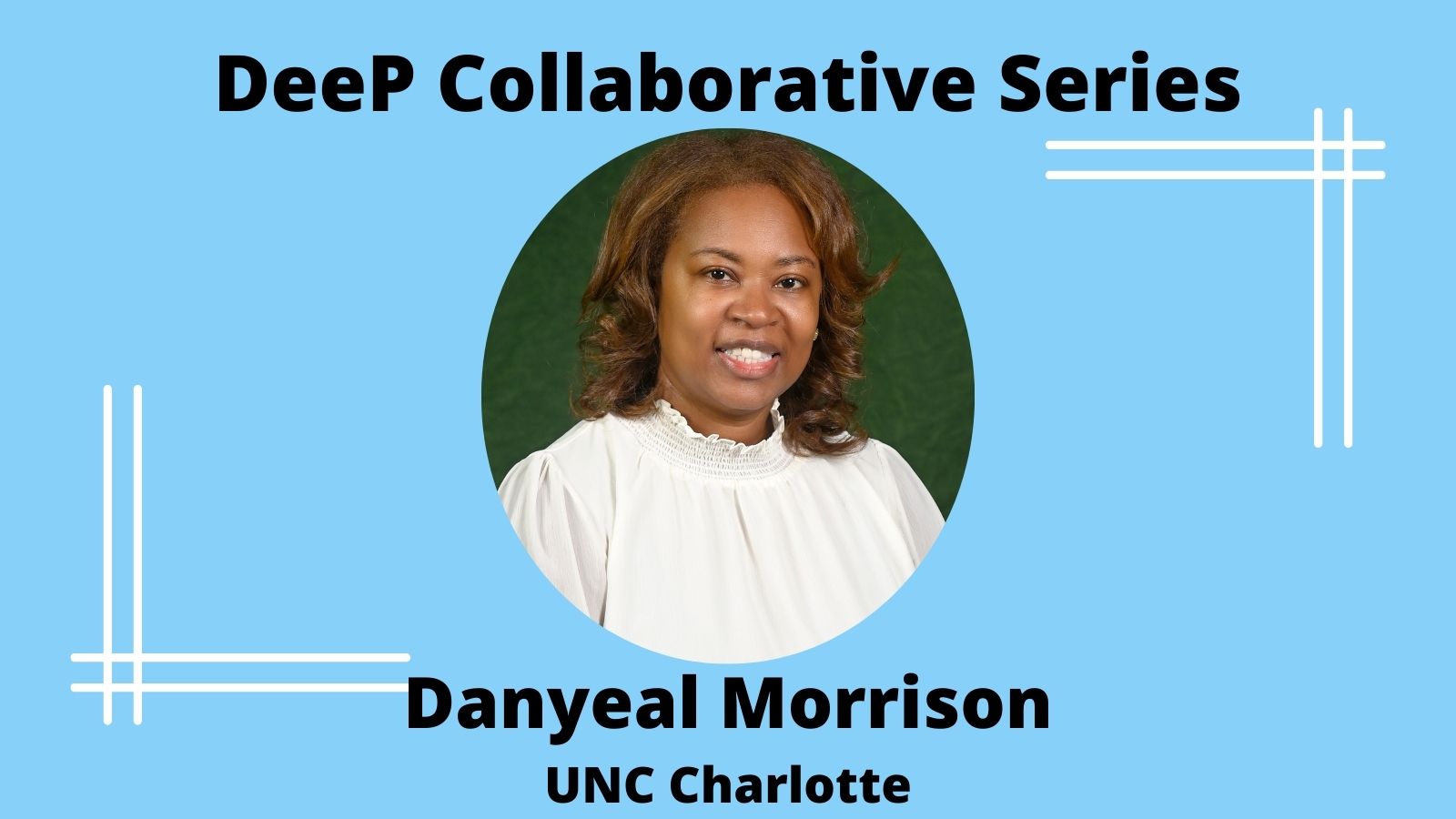
December 20, 2024 by Danyeal Morrison

As a member of the DeeP Collaborative, I embarked on an enriching journey of developing and teaching a course centered around deliberative practices with my preservice teachers. This experience brought forth both challenges and rewards, shaping my understanding of pedagogy and reaffirming the value of fostering critical thinking and civic engagement in education. The process began with collaborative brainstorming sessions among team members, where we collectively conceptualized the course structure, objectives, and content. Each team member brought forth unique perspectives and expertise, enriching the course design process and laying a solid foundation for our endeavor.

During the development phase, meticulous attention was given to curating reading materials, designing activities, and crafting assessments that aligned with the course’s overarching goals. My aim was to foster critical thinking, communication skills, and civic engagement through deliberative practices. To cater to diverse learning styles and preferences, I incorporated various pedagogical approaches, including interactive lectures, small-group discussions, debates and micro deliberations.

My preservice teachers played a pivotal role in the course. Engaging these future educators in the development process was instrumental in ensuring that the course content was not only theoretically sound but also practically applicable in diverse classroom settings. Their insights into current educational trends, topics and challenges provided a fresh perspective that enriched the course materials and activities. By involving my preservice teachers, I  aimed to equip them with the tools and confidence to implement deliberative practices in their future classrooms, fostering an environment where critical thinking and civic engagement are integral to the learning process.

As the course unfolded, I assumed the role of facilitator, guiding deliberations, leading discussions, and providing constructive feedback to my students. Witnessing these future educators’ growth in their ability to articulate complex ideas, engage in respectful dialogue, and critically analyze different viewpoints was undeniably one of the highlights of the experience. It was immensely gratifying to see them actively participate in deliberations, challenge their own assumptions, and consider alternative perspectives and skills they would later impart to their students.

However, the journey was not without its challenges. Dedicating time for the in class debates, micro deliberations and balancing the need for structure and flexibility in discussions proved to be a delicate task. Additionally, managing diverse student personalities and ensuring equitable participation required continuous effort and adaptation. For preservice teachers, this also meant grappling with the dual role of learner and future practitioner, which sometimes added an extra layer of complexity to their participation and engagement.

Despite these challenges, my students responded positively to the course format, embracing the opportunities for interactive learning and real-world application of skills. Many expressed newfound confidence in their ability to engage in meaningful dialogue and navigate contentious issues constructively. My students noted the practical benefits of the course in preparing them for the realities of the classroom and enhancing their instructional strategies.

As I reflect on this experience, I am keenly aware of the areas for growth and improvement. Moving forward, I plan to refine the course materials based on student feedback and explore additional strategies to promote inclusive participation. Moreover, I am eager to explore opportunities for interdisciplinary collaboration and community engagement to enrich the learning experience further. For my preservice teachers, this means developing more targeted resources and support mechanisms to aid their transition from theory to practice.

In conclusion, developing and teaching the deliberation-involved course was a transformative experience that deepened my understanding of pedagogy, strengthened my facilitation skills, and reaffirmed the value of deliberative practices in education. It is my hope that this journey will continue to inspire meaningful dialogue and foster active citizenship among future generations of students. For my students, the experience has provided a solid foundation upon which they can build their teaching careers, equipped with the skills to foster critical thinking and civic engagement in their future classrooms.

Filed Under: Blog Posts, Faculty Posts

Painting the Picture: Why Tell Stories?

December 20, 2024 by Isabella Neri

image of woman painting and women sitting around a circle talking

Family gatherings are a time for family, love, connection, and, for some, dread. They can also be accompanied by a sense of worry or fear or arguments about political or controversial subjects. Time spent with family can be stressful in a situation that intensifies quickly. Even something as simple as a small comment can cause an uproar of emotion for someone else at the gathering. It may feel daunting to approach these conversations as emotions run high and feelings are cast out into the open.

Imagine a gathering where a family member decides to discuss the recent election, something that has been highly contentious in the past few months. Their point of view is made very clear, simultaneously creating upset among your other family members. You may respond angrily out of frustration, furthering the tensions and anger that have accumulated during this particular conversation. What this particular family might not be thinking about is how their backgrounds affect their opinions. In the case of this proposed family argument, you might not be considering your family member’s emotions that could have led them to their opinion. Someone’s age, gender, race, sexuality, or geographic location might affect their opinions on political topics such as the election. For these reasons, I propose the idea of storytelling.

While this may seem like an insignificant concept, storytelling provides people the space to share their experiences in hopes of forming a connection or understanding with others. A crucial element of storytelling is keeping an open mind toward those who are sharing their story. The ability to understand and connect with someone is preceded by a willingness to hear them out. This acts as a stepping stone to creating a safe environment where tension is cast aside. In the example of a family argument, taking a step back and asking about your family member’s reasons for the opinion they have expressed invites storytelling and helps you move away from an unproductive exchange.

How might you approach storytelling? Starting with a simple “Can you tell me more?” can get the ball rolling toward a productive conversation. Following up with more questions about their story and concluding with “Thanks for sharing” can create a safe space where people feel comfortable sharing their stories and reasons behind their opinions. With this in mind, remember that your open-mindedness may help create a calm and welcoming environment for discussion, even on topics that might feel daunting.

Once a connection is established through storytelling, empathy can begin to form. Although disagreements may remain, there is now the possibility of finding common ground between backgrounds and ideologies. For instance, if your family member grew up in the same town as you there is more room for connection through the geographical aspect of your lives. You would then be able to understand how your hometowns might have affected your opinions or beliefs. The human connection between similar backgrounds, regardless of political opinion, allows for empathy through understanding of one’s situation. A sense of community is formed, given storytelling’s ability to bridge the gap between political disagreement. A deeper understanding of one’s background provides a bond between people through mutual understanding of different circumstances. Furthermore, a demonstrated willingness to listen allows the storyteller to trust their audience. This sense of community promotes trust in others, even if everyone’s beliefs are not in complete alignment.

The ability to disagree and feel a sense of trust with others is not mutually exclusive. The DCI seeks to empower students through this community of trust. The DCI also seeks connection between all who chose to participate by promoting inclusion and understanding between its participants. The use of storytelling promotes those values held by the DCI through the establishment of common ground and understanding within a group of people.

Filed Under: Blog Posts, Fellow Posts

  • « Go to Previous Page
  • Page 1
  • Interim pages omitted …
  • Page 28
  • Page 29
  • Page 30
  • Page 31
  • Page 32
  • Interim pages omitted …
  • Page 75
  • Go to Next Page »

Footer

Blog Post Categories

  • Announcements
  • Blog Posts
  • DCI Posts
  • Events
  • Faculty Posts
  • Fellow Posts
Image of a compass superimposed by the text "Deliberative Citizenship Initiative" and "Davidson College." Clicking on this image leads to the Initiative page.

Recent DCI Blog Posts

  • We Tried to Fix Jubilee’s “Middle Ground” – Here’s How It Went
  • A Case for Deliberation in the Natural Sciences
  • Welcoming New Staff to the DCI and DCN
  • Facebook
  • Twitter
  • Instagram
  • LinkedIn


Copyright © 2026 · Infinity Pro on Genesis Framework · WordPress · Log in